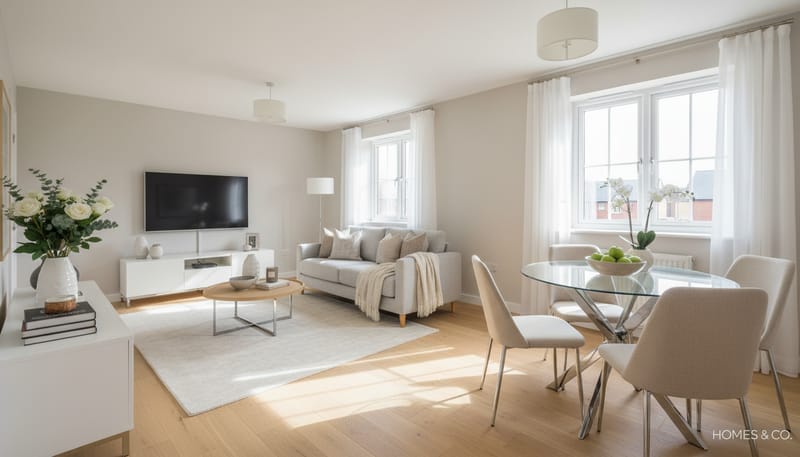
When New Build Owners Typically Sell
Most new build homeowners who sell do so between the three and seven year mark, with the peak clustering around three to five years after completion. Understanding why helps you anticipate where your property sits in the market and what buyers at each stage expect.
First-time buyers who used Help to Buy often reach the end of the five-year interest-free period and decide that selling is preferable to paying the annual loan fees that begin in year six. Young professionals outgrow starter homes as their careers progress or families expand. Families who purchased a four-bedroom detached may relocate for employment, downsizers may find their needs have changed, and investors in new build flats may decide to liquidate after the initial capital growth period.
The good news is that a new build aged three to seven years occupies a sweet spot in the resale market. It is modern enough to feel contemporary and benefit from current building regulations, yet old enough that initial settlement or snagging issues are long resolved. Buyers appreciate a home that has been tested by real life — they can see that the heating works through a British winter, that the garden is established, and that the estate has matured into a genuine community. For broader context on how new builds perform over time, see our guide to new build versus resale property investment.
What Buyers Look For in 2026
Before spending a single pound on improvements, you need to understand what is driving purchasing decisions right now. The buyer landscape has shifted noticeably since 2020, and what mattered five years ago is not necessarily what clinches a sale today.
- Move-in ready condition: The overwhelming majority of buyers — particularly second-steppers and relocators — want a property they can move into without immediate renovation. This is your single biggest advantage as a new build seller.
- Energy efficiency and low running costs: With energy prices remaining elevated compared to pre-2022 levels, buyers actively seek homes with EPC ratings of B or above. They check the EPC certificate on Rightmove before booking a viewing.
- Modern kitchen and bathroom: These two rooms remain the most scrutinised during viewings. A tired kitchen or a bathroom with discoloured grout can sink an otherwise strong impression.
- Outdoor space: The post-pandemic premium on gardens, patios, and usable outdoor areas has become permanent. Even a modest, well-presented garden adds measurable value.
- Home office provision: A dedicated workspace or a room that can flex as an office is now expected rather than aspirational. Buyers with hybrid working arrangements actively filter for this.
- Storage: Generous, well-organised storage is consistently cited in buyer surveys as a top priority. New builds are sometimes perceived as lacking storage, so demonstrating ample cupboard and wardrobe space matters.
- EV charging or capability: An installed EV charger or the visible provision for one (dedicated circuit, external socket) is an increasingly noted feature, particularly in areas with younger professional buyers.
- Low maintenance requirements: Buyers want to enjoy their home, not spend every weekend on upkeep. Modern materials, good-quality finishes, and a manageable garden all contribute to this perception.
The critical insight for new build resellers is that your property already delivers many of these qualities. Your task is not to fundamentally transform the home but to present its existing strengths at their absolute best while making targeted improvements that deliver genuine returns.
Improvements That Add Measurable Value
Not all improvements are created equal. Some deliver outstanding returns, others break even, and a few actually cost more than they add. The following table summarises the improvements that consistently deliver positive ROI on new build resales in the UK, based on data from estate agents, the Royal Institution of Chartered Surveyors, and home staging professionals.
| Improvement | Typical Cost | Estimated Value Added | ROI % |
|---|---|---|---|
| Kitchen worktop upgrade (laminate to quartz) | £2,000 – £4,000 | £3,500 – £7,000 | 150 – 200% |
| Kitchen cabinet doors and handles | £1,500 – £3,000 | £2,500 – £5,000 | 140 – 180% |
| Bathroom re-grout, re-seal, and fixture upgrade | £500 – £1,500 | £800 – £2,500 | 150 – 200% |
| Engineered wood flooring (ground floor) | £2,000 – £5,000 | £3,000 – £7,500 | 130 – 170% |
| Luxury vinyl tile flooring (ground floor) | £1,500 – £3,500 | £2,200 – £5,000 | 130 – 160% |
| Carpet replacement (upper floor, neutral) | £800 – £1,800 | £1,200 – £2,500 | 130 – 150% |
| Neutral repainting throughout | £600 – £1,200 | £1,500 – £3,000 | 200 – 300% |
| Garden landscaping (patio, planting, lawn) | £2,000 – £5,000 | £3,000 – £7,000 | 130 – 160% |
| Professional home staging | £500 – £2,000 | £5,000 – £15,000 | 300 – 1,000% |
| Professional deep clean | £200 – £400 | £500 – £1,500 | 250 – 400% |
| Kerb appeal improvements (door furniture, plants, cleaning) | £150 – £500 | £500 – £2,000 | 300 – 500% |
Kitchen Upgrades in Detail
The kitchen is the single most influential room in a property sale. Estate agents consistently report that a well-presented kitchen can add three to five percent to the overall sale price. On a property valued at £300,000, that equates to £9,000 to £15,000 of additional value. Crucially, new build kitchens are already well-designed and functional — you are enhancing, not replacing.
- Worktop upgrade to quartz or solid surface: Costs £2,000 to £4,000 including fitting. Buyers perceive quartz as premium, durable, and low-maintenance. This single change can transform the entire kitchen.
- Cabinet door and handle replacement: New shaker-style or handleless doors fitted to existing carcasses cost £1,500 to £3,000. Premium handles — brushed brass, matt black, or knurled designs — cost £150 to £400 for a full kitchen and deliver outsized visual impact.
- Splashback improvements: Full-height tiling or a glass splashback costs £300 to £1,000 and creates a more cohesive, premium look.
- Integrated appliances: Replacing freestanding with built-in equivalents costs £1,500 to £3,000 combined and makes the kitchen feel significantly more fitted.
- Layered lighting: Under-cabinet LED strips, improved downlights, and a statement pendant cost £200 to £600 and make the kitchen feel warmer and more expensive.
For detailed design inspiration, see our comprehensive guide to new build kitchen design and our guide to new build lighting design.
Bathroom Refresh
Bathrooms are the second most scrutinised rooms during viewings. After three to five years of daily use, even well-maintained bathrooms benefit from targeted cosmetic work. New build bathrooms are structurally sound, so the focus is entirely on fixtures and finish.
- Re-grouting and re-sealing: The single best-value bathroom improvement. Professional re-grouting and fresh silicone costs £150 to £300 per bathroom. DIY with grout pens and silicone costs £30 to £50 in materials.
- Tap and shower fixture replacement: Swapping basic chrome for matt black or brushed brass costs £100 to £300 per bathroom. A rainfall shower head (£50 to £150) transforms both the look and the experience.
- Illuminated mirror cabinet: Replacing a basic mirror with a backlit cabinet costs £100 to £300 and adds style plus practical storage.
- Designer heated towel rail: Upgrading from basic white to an anthracite or chrome designer rail costs £80 to £250 and adds boutique hotel style.
- Fresh bath panel and accessories: A new bath panel, matching toilet roll holder, and coordinated accessories cost £50 to £150 and tie the room together.
Overall, targeted bathroom improvements costing £500 to £1,500 per bathroom typically return 150 to 200% of the investment. See our guide to new build bathroom design for further ideas.
Garden Landscaping
A well-presented garden adds significant value and is often the first or last thing a buyer sees. If your garden still has basic developer turf and standard fencing, targeted improvements deliver excellent returns.
- Lawn renovation or re-turfing: £500 to £1,200 for a typical new build rear garden. A lush, well-edged lawn is the foundation of garden appeal.
- Porcelain paved patio: £1,500 to £3,500. Creates an outdoor living area buyers can immediately envision using.
- Composite decking: £1,200 to £2,800. Low-maintenance alternative to timber that appeals to practical buyers.
- Border planting: £300 to £800 in plants and materials. Evergreen structure plants combined with seasonal colour transform bare fence lines.
- Fence replacement or repair: £40 to £70 per panel including fitting. A full fence refresh costs £800 to £1,500.
- Outdoor lighting: Solar path lights, wall-mounted downlights, and festoon lights cost £100 to £300 total and make evening viewings memorable.
The return on quality garden landscaping is typically 130 to 160%. For comprehensive guidance, see our new build garden setup guide.
Flooring Throughout
Flooring has an outsized impact on how a home feels. Many new builds are fitted with builder-grade carpet and basic laminate or vinyl, which can show wear after a few years of family life. Engineered oak flooring on the ground floor costs £2,000 to £5,000 depending on area and quality, and it is one of the most desirable options for buyers. High-quality luxury vinyl tile (LVT) from brands like Karndean or Amtico costs £1,500 to £3,500 and offers superior durability with water resistance — particularly appealing to family buyers. Upstairs, replacing worn carpet with a neutral twist pile in warm grey or soft oatmeal costs £800 to £1,800 and is essential if existing carpet is visibly stained or flattened. See our guide to flooring options for new build homes for a full comparison.
Room-by-Room Value-Add Priorities
Different rooms contribute differently to buyer perception and final sale price. The following table ranks each room by its influence on the sale, the most effective improvements to make, and the typical budget required.
| Room | Influence on Sale | Priority Improvements | Budget Range |
|---|---|---|---|
| Kitchen | Very High | Worktops, handles, lighting, splashback, integrated appliances | £1,000 – £6,000 |
| Main Bathroom | High | Re-grout, new taps, illuminated mirror, towel rail, accessories | £300 – £1,500 |
| En-Suite | High | Re-seal shower, new shower head, fresh accessories, re-grout | £200 – £800 |
| Living Room | High | Neutral repaint, upgraded flooring, declutter, layered lighting | £500 – £2,500 |
| Master Bedroom | Medium-High | Neutral bedding, new carpet, declutter wardrobes, fresh paint | £300 – £1,200 |
| Hallway and Entrance | Medium-High | Declutter, repaint, upgrade flooring, add mirror and console table | £200 – £1,000 |
| Garden and Patio | Medium-High | Lawn care, patio or decking, planting, fencing, outdoor lighting | £500 – £5,000 |
| Second and Third Bedrooms | Medium | Fresh paint, new carpet if worn, neutral styling, clear purpose | £200 – £800 |
| Home Office or Flex Room | Medium | Stage as office space, good lighting, tidy cable management | £100 – £400 |
| Garage | Low-Medium | Declutter, organise, clean floor, ensure door operates smoothly | £50 – £200 |
Concentrate your budget on the rooms at the top of this table. A beautifully presented kitchen and bathroom will carry a sale far more effectively than improvements spread thinly across every room. For hallway-specific ideas, see our guide to hallway and entrance styling for new build homes.
Improvements That Rarely Pay Back
Equally important is knowing where not to spend. Certain improvements, while enjoyable for the homeowner, rarely return their cost at resale and can even narrow your buyer pool.
- Swimming pools: Installation costs £20,000+ and adds little to no value in the UK climate. Most buyers see a maintenance liability rather than an asset.
- Permanent hot tub installations: Ongoing maintenance costs and potential structural concerns deter buyers. Remove portable hot tubs before viewings.
- Overly personal or niche decor: Bold feature walls, sports team murals, and heavily themed rooms alienate buyers who cannot see past your taste.
- Conservatories on new builds: Costing £10,000 to £25,000, conservatories on modern homes often look incongruous and reduce usable garden space. Rarely recovered at resale.
- Over-specification for the area: A £15,000 bespoke kitchen in a two-bedroom starter home on an estate where similar properties sell for £200,000 will not recover its cost. Match improvements to the price bracket.
- Garage conversions (in parking-scarce areas): Losing the garage can reduce appeal where off-street parking is limited. Consider the local market carefully.
- Bespoke built-in furniture: Fitted wardrobes and shelving that suit your taste may not suit the buyer's. Standard, well-maintained storage is safer.
- High-end home cinema rooms: The cost of professional installation (£5,000 to £15,000) is rarely reflected in the sale price. Most buyers would prefer a flexible room.
A sound rule of thumb: spend no more than five percent of your property's current value on pre-sale improvements, and direct every pound toward the categories proven to deliver returns.
Quick Fixes vs Major Projects
When budgeting your pre-sale preparation, it helps to distinguish between quick cosmetic fixes that deliver disproportionate impact and larger projects that require more investment and planning time. The following comparison shows how they stack up.
| Category | Quick Fixes (Under £500) | Major Projects (£1,000+) |
|---|---|---|
| Kitchen | New handles (£150–£400), under-cabinet LEDs (£50–£100), declutter worktops | Quartz worktops (£2,000–£4,000), new cabinet doors (£1,500–£3,000) |
| Bathroom | Re-grout and re-seal (£30–£300), new accessories (£50–£100), fresh towels (£30–£60) | Full fixture upgrade (£500–£1,500), illuminated mirror cabinet (£100–£300) |
| Flooring | Professional carpet clean (£80–£150), rug placement to cover worn areas | Engineered wood (£2,000–£5,000), LVT (£1,500–£3,500), new carpet (£800–£1,800) |
| Walls and Decor | Touch-up paint (£30–£60), neutral artwork (£50–£150), fill and sand scuffs | Full neutral repaint (£600–£1,200 professional, £200–£400 DIY) |
| Garden | Mow and edge lawn (£0), weed borders (£0), potted plants (£30–£70), solar lights (£20–£50) | Patio (£1,500–£3,500), re-turf (£500–£1,200), full landscaping (£2,000–£5,000) |
| Kerb Appeal | New door number (£15–£40), doormat (£20–£40), window clean (£30–£60), potted plants (£30–£70) | Driveway jet-wash (£100–£250), new fencing (£800–£1,500), exterior painting |
| Timeframe | 1 – 3 days | 2 – 8 weeks |
| Typical Total Budget | £300 – £1,500 | £3,000 – £12,000 |
| Best For | Properties already in good condition; tight timelines; limited budgets | Properties needing significant uplift; longer lead times; maximum ROI |
The most effective strategy is usually a combination: complete all relevant quick fixes first, then invest selectively in one or two major projects where the ROI is strongest for your specific property.
Neutral Styling for Viewings
Neutral styling creates a backdrop that allows buyers to project their own lives into your home. This does not mean stripping every room to blank white walls — that feels clinical and cold. Instead, aim for a warm, cohesive palette that feels intentional and welcoming.
Wall colours should be warm neutrals. Warm whites such as Dulux White Cotton or Farrow and Ball Wevet, soft greiges such as Dulux Perfectly Taupe or Farrow and Ball Elephant's Breath, and gentle warm greys all photograph beautifully, make rooms feel larger, and appeal to the widest range of buyers. Repainting a three-bedroom new build costs £600 to £1,200 professionally, or £200 to £400 in materials for a confident DIYer. For inspiration, see our guide to colour schemes for new build homes.
- Neutral bedding in every bedroom: White and cream hotel-style bedding costs £30 to £60 per room from retailers like Dunelm, The White Company, or IKEA. Creates an immediate sense of freshness and luxury.
- Coordinated cushions and throws: Matching soft furnishings across the living room, bedrooms, and any reading nooks tie rooms together. Budget £200 to £500 for a three-bedroom home.
- Window dressings: Ensure all curtains and blinds are clean, properly hung, and functioning. Replace faded or dated curtains with simple lined panels in neutral fabric — approximately £50 to £100 per window.
- Fresh flowers and greenery: A bouquet on the kitchen table and a few well-placed houseplants cost under £30 and create a welcoming, lived-in atmosphere that buyers respond to emotionally.
- Scent: A lightly scented candle in the living room (nothing overpowering) or freshly ground coffee before a viewing engages buyers on a sensory level. Avoid plug-in air fresheners, which many buyers find artificial.
- Temperature: In winter, have the heating on so rooms feel warm. In summer, open windows for fresh air before the viewing begins. Physical comfort strongly influences emotional response to a property.
Professional Home Staging: Costs and ROI
Professional home staging has grown significantly in the UK market. A specialist stager styles your property — either working with your existing furniture or furnishing a vacant home with rented pieces — to maximise buyer appeal. The evidence for its effectiveness is compelling: the Home Staging Association UK reports that professionally staged homes sell up to three times faster than unstaged equivalents and achieve sale prices five to ten percent higher.
On a £300,000 property, even a five percent uplift represents £15,000 — a substantial return on a staging investment of £500 to £2,000. The speed benefit is equally valuable: every month your property sits on the market costs mortgage payments, council tax, and the risk of price reductions.
- Consultation and restyling (occupied home): The stager works with your existing furnishings, rearranging rooms and advising on changes. Cost: £300 to £800.
- Partial staging (occupied home): The stager supplements your furniture with rented statement pieces, artwork, and accessories. Cost: £800 to £2,000 for a three-bedroom home.
- Full staging (vacant property): Complete furniture rental for the marketing period (typically 8 to 12 weeks). Cost: £2,000 to £5,000 for a three-bedroom home.
If professional staging is beyond your budget, you can achieve many of the same effects through DIY staging. Study property listings that catch your eye on Rightmove and analyse what makes them appealing. Invest in neutral accessories, style each room with a clear purpose, and remove anything that distracts from the space itself.
Staging Checklist by Room
Use this room-by-room staging checklist as your practical guide. Every action is listed with its approximate cost and the impact level it delivers.
| Room | Action | Cost | Impact |
|---|---|---|---|
| Hallway | Clear coats and shoes, add console table, fresh doormat, mirror | £50 – £200 | High |
| Living Room | Remove excess furniture, add matching cushions and throw, neutral artwork, style shelves with books and a plant | £100 – £350 | High |
| Kitchen | Clear worktops completely, display only coffee machine, herb plant, and stylish kettle. Add fresh fruit bowl | £20 – £60 | Very High |
| Master Bedroom | White hotel bedding, matching bedside lamps, clear surfaces, two styled cushions, minimal wardrobe contents | £80 – £250 | High |
| Second Bedroom | Neutral bedding, single styled cushion, one piece of artwork, clear desk surface if used as office | £50 – £150 | Medium |
| Children's Room | Tidy toys into storage baskets, neutral bedding, remove personal photos, organised bookshelf | £30 – £80 | Medium |
| Main Bathroom | Folded white towels, clear surfaces, one plant, matching soap dispenser, toilet seat down | £30 – £80 | High |
| En-Suite | Remove all personal products, single coordinated set of accessories, fresh towel on rail | £20 – £50 | Medium-High |
| Home Office | Tidy desk, manage cables, add desk lamp and small plant, remove personal clutter | £30 – £80 | Medium |
| Garden | Mow lawn, set outdoor dining table with placemats, add potted plants to patio, tidy shed | £50 – £150 | High |
Total staging cost using this checklist: approximately £460 to £1,450 — a modest investment that dramatically improves first impressions both online and in person.
Photography Preparation
In today's market, the vast majority of buyers begin their search online. Your listing photographs are the first impression and determine whether a buyer books a viewing. Most reputable estate agents include professional photography in their fee, but verify this before instructing. If your agent relies on staff photographs taken on a phone, paying £150 to £400 for an independent professional property photographer is one of the best investments you can make.
- Every light on: Switch on all lights including under-cabinet LEDs, table lamps, and accent lighting. This creates warmth and makes rooms feel larger in photographs.
- All curtains and blinds open: Maximise natural light in every room. Clean windows inside and out the day before the shoot.
- Fresh neutral bedding on every bed: Crisp white or cream bedding photographs dramatically better than patterned or coloured alternatives.
- All surfaces completely clear: Apart from a few carefully styled items per room, every surface should be empty. This includes kitchen worktops, bathroom shelves, bedside tables, and windowsills.
- Toilet seats down in every bathroom: A small detail that photographers consistently flag as one of the most common oversights.
- Bins emptied and hidden: Remove all visible bins from kitchens, bathrooms, and bedrooms.
- Pets and pet accessories stored away: Remove beds, bowls, toys, and litter trays. Not all buyers are pet owners, and evidence of animals can deter some.
- Cars moved from the driveway: Show the full frontage of the property. Park around the corner for the duration of the shoot.
- Front garden, path, and doorstep swept and tidy: The exterior photograph is usually the lead image on Rightmove and Zoopla.
- Seasonal touches in place: A welcoming doormat, potted plants by the front door, and a tidy bin store all contribute to the exterior photograph.
Schedule the shoot when natural light flatters your home. South-facing gardens photograph best in the afternoon; properties with east-facing frontages look better in the morning. Professional photographers call this the golden hour — discuss timing with your photographer to get the best results.
Kerb Appeal for New Builds
Kerb appeal is the impression your home makes from the street. Buyers often drive past before booking a viewing, and the exterior sets expectations for what they will find inside. New build homes benefit from clean, modern exteriors — your focus should be on the elements within your control.
- New door number in a contemporary font: £15 to £40. High visual impact for minimal cost.
- Quality doormat: £20 to £40. Replace any faded or dirty mat.
- Potted plants flanking the front door: £30 to £70 for a pair of planted pots. Bay trees, topiary, or seasonal bedding all work well.
- Window cleaning (professional, inside and out): £30 to £60. Sparkling windows make the entire property look cared for.
- Driveway and path pressure washing: £100 to £250 professionally, or £40 to £60 per day to hire a machine. Removes algae and staining that accumulate over three to five years.
- Solar wall lights beside the front door: £20 to £50 for a pair. Essential for evening viewings.
- Solar path lights along the front path: £15 to £30 for a set. Creates a warm, inviting approach.
- Tidy bins and utilities: Ensure wheelie bins are stored neatly, recycling is tidy, and any visible meter boxes are clean.
Total cost for a comprehensive kerb appeal refresh: £150 to £500. The ROI on kerb appeal improvements is among the highest of any pre-sale activity, typically 300 to 500%, because the emotional impact of a strong first impression carries through the entire viewing.
Decluttering and Depersonalising
Decluttering is the most cost-effective preparation you can do — it costs nothing but time and has an enormous impact on buyer perception. A cluttered home feels smaller, less cared for, and harder for buyers to imagine themselves living in.
Apply the one-third rule: remove approximately one-third of your visible belongings. This includes excess furniture, surplus ornaments and decorations, worktop overflow, excess shoes and coats in the hallway, and surplus items from shelves and surfaces. Store removed items in the loft, garage, a self-storage unit (typically £50 to £100 per month for a small unit), or pack them early for your own move.
- Start with the hallway: This sets the tone for the entire viewing. Clear it completely of everything except a console table, mirror, and one or two hooks for coats.
- Kitchen worktops: Remove everything except two or three carefully chosen items — a coffee machine, a small herb plant, and a stylish kettle at most.
- Living room: Remove any furniture that makes the room feel cramped. Reduce ornaments by two-thirds. Style shelves with books, a plant, and one or two decorative objects.
- Bedrooms: Make beds with fresh, neutral bedding. Clear bedside tables of everything except a lamp and perhaps one book. Reduce wardrobe contents so they look spacious — buyers will open them.
- Bathrooms: Remove all personal toiletries from view. Display only folded towels, a plant, and one coordinated set of accessories (soap dispenser, tumbler).
- Storage spaces: Organise all cupboards, wardrobes, and kitchen cabinets so they look spacious and well-planned. Buyers always look inside.
- Depersonalise: Reduce family photographs significantly, take down highly personal or potentially divisive items, and tidy children's toys into storage baskets.
EPC Rating Impact on Value
Energy Performance Certificate ratings have become increasingly important in the UK property market. Research from the Department for Energy Security and Net Zero indicates that properties with an EPC rating of A or B sell for five to fourteen percent more than equivalent properties rated D or below. Most new builds achieve an EPC rating of A or B, which is a significant competitive advantage over older housing stock.
- Keep your boiler or heat pump serviced annually: A well-maintained heating system operates at peak efficiency and maintains your EPC score. Annual servicing costs £60 to £120.
- Ensure loft insulation has not been disturbed or compressed: If you have stored items in the loft, check that insulation is evenly distributed and at the correct depth (current standard is 270mm).
- Maintain window and door seals: Perished seals reduce thermal performance. Replacement seals cost £5 to £15 per window and are straightforward to fit.
- Do not remove or disable ventilation systems: MVHR units and trickle vents are part of your home's designed ventilation strategy and affect the EPC assessment.
- Install a smart thermostat: Hive, Nest, or Tado systems cost £150 to £250 fitted and can improve your EPC by demonstrating intelligent heating control.
- Consider solar panels if your roof orientation suits them: A 3.5 to 4kW system costs £5,000 to £7,000 and can lift an EPC from B to A while reducing energy bills. The payback period is typically 8 to 12 years, but the value added at sale can accelerate this.
- Update your EPC before listing: If you have made energy-efficient improvements since purchase, commission a new EPC assessment. This costs £60 to £120 and is valid for ten years.
For a detailed understanding of energy ratings, see our guide to EPC ratings for new build homes, and for heating system efficiency, see heat pumps in new build homes.
NHBC Warranty Transfer as a Selling Point
Most new build homes in the UK come with a ten-year NHBC Buildmark warranty (or equivalent from LABC Warranty or Premier Guarantee). This warranty is attached to the property, not the owner, and transfers automatically to the new buyer at no additional cost. For a buyer considering a property that is five years old, knowing they have five years of structural defect protection remaining is a genuine differentiator against older properties without warranty cover.
Ensure you have your NHBC Buildmark documentation available for your solicitor and estate agent. If misplaced, request a replacement from NHBC for a small administrative fee. Make your estate agent aware of the remaining warranty period so they can highlight it in the listing — this is a concrete, tangible benefit that older properties simply cannot match.
Management Company Disclosure
Many new build estates have a management company that maintains communal areas — open spaces, play areas, landscaping, unadopted roads, and shared drainage. As the homeowner, you pay an annual service charge that transfers to the new buyer on completion. Fees typically range from £150 to £500 per year, though estates with extensive communal facilities can charge significantly more.
Be transparent about these charges from the outset. Have a copy of the most recent service charge invoice and the management company contact details available for your solicitor. Proactive disclosure demonstrates good faith, prevents surprises during the legal process, and keeps the transaction moving smoothly. Buyers are becoming more aware of management company fees, and while they rarely prevent a sale, discovering them late in the conveyancing process erodes trust and can cause delays.
Help to Buy Equity Loan on Resale
If you purchased using the Help to Buy equity loan scheme, there are specific processes you must follow when selling. The equity loan is a percentage of the property's value, not a fixed sum. If you took a twenty percent equity loan on a property purchased for £300,000, you borrowed the equivalent of £60,000. When you sell, you repay twenty percent of the current sale price. If the property has increased in value to £350,000, you repay £70,000. If it has decreased, you repay twenty percent of the lower figure.
- Notify the Help to Buy agent: Contact Homes England (currently managed by the Target Group) to inform them you intend to sell. Do this as early as possible — ideally before your property goes on the market.
- Obtain a RICS valuation: You must commission a property valuation from a RICS-registered surveyor. This is a specific Help to Buy requirement and costs £150 to £300. The valuation must be no more than three months old at the point of sale.
- Instruct an experienced solicitor: Choose a conveyancing solicitor who has handled Help to Buy equity loan repayments before. Expect conveyancing costs of £800 to £1,500, slightly higher than a standard sale due to additional legal work.
- Budget for the administration fee: The processing fee for the Help to Buy repayment is £115, payable to the Help to Buy agent.
- Allow extra time: The Help to Buy repayment process adds approximately four to eight weeks to the overall timeline. Factor this into your planning.
Your solicitor manages the equity loan repayment as part of the sale transaction — the loan is repaid directly from the sale proceeds at completion.
Estate Agent Selection: Online vs High Street
Selecting the right estate agent is one of the most consequential decisions in the resale process. The choice between online-only agents and traditional high-street agents has become more nuanced, and the right answer depends on your property, location, and priorities.
| Factor | Online Agent | High Street Agent |
|---|---|---|
| Typical Fee | £999 – £1,999 (fixed, paid upfront or on completion) | 0.75% – 1.5% + VAT (commission on sale price) |
| Fee on a £300,000 Sale | £999 – £1,999 | £2,700 – £5,400 + VAT |
| Viewings | Usually conducted by you (the seller) | Accompanied by the agent in most cases |
| Photography | Professional photography usually included | Professional photography usually included |
| Local Market Knowledge | Limited — centralised team covers wide area | Strong — agent knows the estate, street, and comparable sales |
| Negotiation | Phone-based, can feel impersonal | Face-to-face, experienced in local market dynamics |
| Buyer Database | Relies primarily on portal enquiries (Rightmove, Zoopla) | Active database of registered, pre-qualified local buyers |
| Sales Progression | Basic — often a phone service | Dedicated sales progressor chasing solicitors, managing the chain |
| Risk | If paying upfront, you pay regardless of whether the property sells | No sale, no fee (commission model) |
| Best For | Confident sellers in high-demand areas who are comfortable conducting viewings | Most sellers, particularly those wanting hands-off service and local expertise |
Whichever route you choose, obtain valuations from at least three agents before deciding. Be wary of the agent who values significantly higher than the others — this can be a tactic to win your instruction, resulting in an overpriced listing that stalls on the market. A realistic, well-evidenced valuation supported by comparable sales data is far more valuable than an optimistic figure. Also assess each agent's current listings on Rightmove and Zoopla for photography quality, property descriptions, and the use of floor plans and virtual tours.
Pricing Strategy
Pricing your new build resale correctly from the outset is critical. Overpricing is the single most common mistake sellers make, and it is particularly damaging in the current market where buyers are well-informed and have access to sold price data through the Land Registry and portals like Zoopla.
- Research comparable sales: Use the Land Registry price paid data (available free online) and sold prices on Rightmove and Zoopla to understand what similar properties on your estate and in your postcode have actually sold for — not what they were listed at.
- Factor in new build pricing: When you purchased, you may have paid a premium for a brand-new property. The resale market does not always reflect this premium, particularly in the first few years. Be realistic about where your property sits relative to both new build prices and resale prices in the area.
- Consider the Rightmove pricing bands: Properties appear in buyer search results based on price bands. If your property is worth approximately £300,000, listing at £310,000 means it will not appear in searches filtered to £250,000 to £300,000 — potentially missing your core buyer audience.
- Price for competition, not aspiration: In a market with multiple similar properties available, the home priced most competitively attracts the most viewings and often achieves the best final price through buyer competition.
A property that is priced correctly from day one generates the most interest in its first two weeks on the market — this is when Rightmove and Zoopla push it to the most buyers through new listing alerts. Overpricing and subsequently reducing wastes this critical launch window.
Viewing Day Preparation
The viewing itself is where all your preparation comes together. A well-managed viewing converts online interest into offers. Follow this checklist on every viewing day.
- Open all curtains and blinds: Maximise natural light in every room at least thirty minutes before the viewing.
- Switch on all lights: Even during daylight, having lights on creates warmth and makes rooms feel more inviting.
- Set the temperature: In winter, ensure the heating has been on for at least an hour before the viewing. In summer, open windows for fresh air.
- Fresh flowers on the kitchen table: A simple bouquet from the supermarket costs £5 to £10 and creates a welcoming focal point.
- Clear all kitchen worktops and sink: No washing up, no drying rack, no clutter. The kitchen should look as close to a showroom as possible.
- Make all beds with fresh bedding: Plump pillows, smooth duvets, and styled cushions in every bedroom.
- Clean towels in bathrooms: Replace used towels with fresh, folded display towels. White is always safe.
- Hide personal toiletries: Store everything in closed cabinets for the duration of the viewing.
- Remove pet evidence: Walk dogs beforehand, store bowls and beds, vacuum any pet hair from carpets and furniture.
- Open the back door or patio doors: If the weather allows, opening onto the garden extends the perceived living space and invites buyers to explore outside.
- Play subtle background music: Very quiet, ambient music in the living room can make a home feel more welcoming. Keep the volume barely audible — it should be felt rather than heard.
Common Mistakes Sellers Make
Understanding the pitfalls that trip up other sellers helps you avoid them. These are the most frequently cited mistakes by estate agents who specialise in new build resales.
- Overpricing based on emotional attachment: You love your home and you have invested in it. But the market determines value, not sentiment. Price based on comparable evidence, not on what you need or want to achieve.
- Choosing the agent who gives the highest valuation: This almost always leads to an overpriced listing, a stale property, and eventual price reductions that make buyers wonder what is wrong. Choose the agent with the best marketing, strongest local track record, and most realistic valuation.
- Ignoring the garden: An unkempt garden suggests neglect throughout the property. Even basic lawn care and tidying make a significant difference.
- Leaving personal clutter during viewings: Buyers need to imagine their life in your home. Excessive personal items, family photos on every surface, and children's drawings covering the fridge make this harder.
- Not addressing minor maintenance issues: Dripping taps, stiff door handles, scuffed skirting boards, and cracked grout all suggest a home that has not been maintained. Fix these before viewings begin — they cost very little but their absence reassures buyers.
- Being present during viewings: If an agent is conducting the viewing, leave. Buyers feel unable to speak freely and explore properly when the owner is hovering. Take the dog for a walk or visit a coffee shop.
- Failing to disclose management company fees: Transparency prevents surprises and builds trust. Disclose fees upfront in the agent's particulars.
- Not preparing Help to Buy paperwork in advance: The equity loan repayment process takes time. Start the process before listing to avoid delays later.
- Spending on the wrong improvements: Investing £10,000 in a conservatory that adds £5,000 of value is worse than spending £3,000 on a kitchen refresh that adds £5,000. Prioritise ROI, not personal preference.
- Poor-quality listing photographs: If your agent's photography is not excellent, invest in professional photographs independently. The listing photographs determine whether buyers book viewings — they are not an area to economise on.
Timing Your Sale
The UK property market has well-established seasonal patterns that affect both sale prices and speed of transaction. Listing in late February or early March positions your property for the spring surge — traditionally the strongest selling season, when gardens look their best and families aim to complete before summer holidays. September to October is the second-strongest window, with buyers who missed out in spring returning to the market. Summer holidays and the pre-Christmas period are quieter, though buyers searching during these times tend to be highly motivated.
For new build resales specifically, consider listing when your estate looks its best — established planting in bloom, communal areas well-maintained, and neighbouring properties presentable. The environment surrounding your home contributes to overall buyer impression.
Final Thoughts
Selling a new build home successfully is about presenting its inherent strengths — modern construction, energy efficiency, contemporary layout, and warranty protection — in the best possible light, while making targeted improvements that deliver genuine returns. The most effective sellers approach the process strategically, investing in the changes that buyers value most, presenting the home in a neutral style that allows buyers to imagine their own lives there, and working with a knowledgeable estate agent who understands the local market.
New build homes are desirable properties in the resale market. They offer buyers the reassurance of modern building standards, low maintenance requirements, and remaining warranty protection — advantages that older properties cannot match. By investing wisely in preparation and presentation, you ensure that your home stands out in its price bracket, attracts motivated buyers quickly, and achieves the best possible price. The effort you put in during the weeks before listing will be repaid many times over at completion. For broader insights into new build property values and market trends, see our new build market report and our analysis of new build capital growth across the UK. For more on smart home features as a selling point, see our dedicated guide.