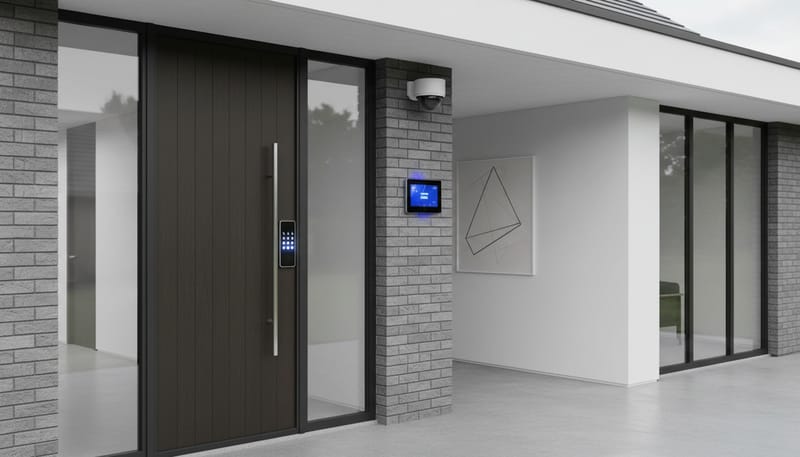
What Security Do New Build Homes Come With?
Modern new build homes in the UK are constructed to meet current Building Regulations and the standards set by Secured by Design (SBD), the official UK police security initiative. Many major housebuilders — including Barratt, Taylor Wimpey, Persimmon, and Bellway — build estates that carry Secured by Design accreditation, which means the development has been designed with crime prevention in mind from the ground up. This includes considerations such as natural surveillance, defensible space, adequate lighting, and the specification of security-rated products.
At a minimum, your new build should come with PAS 24-certified doors and windows. PAS 24 is the enhanced security standard that tests doors and windows against forced entry, and it has been a requirement under Building Regulations (Approved Document Q) since 2015 for all new homes in England. This means your front door, back door, and accessible windows should have been tested and certified to resist common burglary techniques including lock snapping, lock bumping, and physical force.
Standard Security Features in New Builds
- ✓ PAS 24-certified front and rear doors
- ✓ Multi-point locking mechanisms on external doors
- ✓ Key-operated window locks on all ground-floor windows
- ✓ Laminated glass on accessible windows and doors
- ✓ Mains-wired smoke and carbon monoxide detectors
- ✓ External lighting at main entrance
- ✓ Secure boundary fencing (typically 1.8m close-boarded)
Important Note: While Building Regulations require PAS 24 doors and windows, this is a minimum standard. Not all new builds will have additional security features such as alarm systems, CCTV, or smart locks — these are typically upgrades that you will need to arrange yourself. Some premium developers include alarm systems as standard, but this varies significantly between builders and price points. Always check what is included in your specification before completion.
Upgrading Your Locks: The First Line of Defence
Your door locks are the single most important element of your home security. While new build locks meet the PAS 24 standard, you may still want to upgrade to higher-rated products for additional peace of mind. Understanding the different types of locks and their security ratings will help you make informed decisions about where to invest.
The most common lock on new build front doors is a euro cylinder lock within a multi-point locking system. The quality of the euro cylinder is crucial — cheap cylinders can be snapped in seconds using a technique known as lock snapping, which is the single most common method of forced entry through doors in the UK. Upgrading to a high-security, anti-snap cylinder is one of the most cost-effective security improvements you can make.
Euro Cylinder Locks
The standard lock in most new build external doors. Look for cylinders rated to TS007 3-star or Sold Secure Diamond standard. Anti-snap, anti-bump, anti-pick, and anti-drill features are essential.
Recommended brands: ABS Avocet, Ultion, Brisant Secure, Yale Superior
British Standard Mortice Locks
BS 3621-rated five-lever mortice deadlocks are the gold standard for timber doors. They are recognised by insurance companies and provide excellent resistance to forced entry. Most insurance policies require a BS 3621 lock on timber external doors.
Recommended brands: ERA Fortress, Union StrongBOLT, Yale
Our top recommendation for new build homeowners is the Ultion lock. It comes with a £2,000 guarantee against break-in through the cylinder, is Sold Secure Diamond rated, and features a unique lockdown mode that activates when an attack is detected, rendering the lock impossible to turn even with specialist tools. At around £90–£140 for the cylinder (plus £30–£50 for fitting by a locksmith), it is one of the most cost-effective security upgrades available. The ABS Avocet is another excellent alternative, offering similar protection at a slightly lower price point.
Alarm Systems: Wired, Wireless, and Monitored
An intruder alarm is one of the most effective deterrents against burglary. Research by the University of North Carolina found that 60% of convicted burglars stated that the presence of an alarm system would cause them to seek an alternative target. In the UK, alarm systems range from basic DIY kits costing under £100 to professionally installed and monitored systems that can cost £500 or more, with ongoing monthly monitoring fees.
For new build homes, wireless alarm systems are generally the best choice, as they avoid the need to run cables through freshly decorated walls and can be installed without specialist tools. However, hardwired systems are also an option if you prefer a more permanent, tamper-resistant installation. The choice between the two often comes down to budget, the level of monitoring you require, and whether you want a professional installation or a DIY approach.
DIY Wireless Alarms
Self-install kits with smartphone notifications. Easy to set up, no monthly fees for basic operation. Best for budget-conscious homeowners who want a visible deterrent.
Examples: Ring Alarm, Yale Sync, SimpliSafe, Eufy Security
Professional Wireless
Professionally installed and configured. Optional monitoring from £15–£40/month. Police response available with Grade 2 systems. Insurance-recognised.
Examples: ADT, Verisure, Ajax Systems, Texecom
Hardwired Systems
Permanent installation with wired sensors. More reliable than wireless, tamper-resistant. Best for long-term security investment. Professional installation essential.
Examples: Honeywell Galaxy, Texecom Premier, Pyronix Enforcer
Insurance Benefit: Having a professionally monitored alarm system can reduce your home insurance premium by 5–15%. Some insurers, particularly for higher-value properties, may require an alarm system as a condition of cover. Always check with your insurer about their specific requirements and approved alarm companies. NSI Gold and SSAIB-approved installers are recognised by most UK insurance providers.
Smart Home Security Systems
Smart home security has revolutionised how we protect our homes, offering real-time monitoring, remote access, and integration with other smart home devices — all controllable from your smartphone. For new build homeowners, smart security systems are particularly appealing because they can be installed without damaging newly finished walls and ceilings, and many work wirelessly with minimal setup required.
The UK smart home security market has grown significantly in recent years, with products from Ring, Google Nest, Arlo, Eufy, and Yale dominating the consumer space. These systems typically combine video doorbells, indoor and outdoor cameras, motion sensors, and alarm panels into an integrated ecosystem that you can manage through a single app. Many also integrate with voice assistants like Amazon Alexa and Google Assistant, allowing hands-free control.
Smart Security System Comparison
CCTV and Video Surveillance
CCTV cameras are an increasingly popular addition to UK homes, and new build properties are particularly well-suited to modern wireless camera systems. Video surveillance serves two purposes: deterrence (a visible camera makes your home a less attractive target) and evidence gathering (footage can be crucial for police investigations and insurance claims). The cost and quality of home CCTV systems have improved dramatically in recent years, making professional-grade surveillance accessible to every homeowner.
When choosing a CCTV system for your new build, consider the number of cameras you need, the resolution quality, storage options (cloud vs. local), night vision capability, and whether you want wired or wireless cameras. For most new build homes, a combination of a video doorbell (covering the front entrance) and one or two outdoor cameras (covering the rear garden and side access) provides comprehensive coverage.
Video Doorbells
See and speak to visitors from anywhere via your phone. Motion detection alerts you to activity at your front door. Essential for monitoring deliveries, which are a frequent target for parcel theft.
Top picks: Ring Video Doorbell 4 (£200), Google Nest Doorbell (£180), Eufy Doorbell (£130)
Outdoor Cameras
Weatherproof cameras for garden, driveway, and side access. Look for 2K or 4K resolution, colour night vision, and two-way audio. Solar-powered options eliminate battery concerns.
Top picks: Arlo Pro 5 (£250), Ring Stick Up Cam (£100), Reolink Argus 4 Pro (£180)
Legal Requirement: If your CCTV cameras capture footage beyond the boundary of your property (including shared driveways, pavements, or neighbours’ gardens), you must comply with the UK GDPR and the Data Protection Act 2018. This means displaying signage informing people they are being recorded, and responding to subject access requests. The ICO (Information Commissioner’s Office) provides guidance for domestic CCTV users on their website.
Smart Locks and Keyless Entry
Smart locks offer the convenience of keyless entry combined with enhanced security features such as auto-locking, guest access codes, activity logs, and remote control via your smartphone. They are increasingly popular on new build homes, particularly for homeowners who want to let in cleaners, dog walkers, or delivery drivers when they are away. However, it is important to choose a smart lock that does not compromise on physical security.
The UK market offers several options, from retrofit smart cylinders that replace your existing euro cylinder to complete smart lock replacements. For new builds with composite or UPVC doors, the Yale Conexis L2 and Nuki Smart Lock are among the most popular choices. For added security, consider a smart lock that retains a physical key override, so you are never locked out in the event of a technical failure or flat battery.
Smart Lock Comparison for New Build Doors
Exterior Security: Lighting, Fencing, and Landscaping
The exterior of your property is your first line of defence. Good exterior security makes your home less attractive to opportunistic criminals and more difficult to access undetected. New build estates typically provide basic boundary fencing and an external light at the front door, but there is much more you can do to harden your home’s perimeter.
Exterior Security Checklist
- ✓ Install PIR (passive infrared) motion-sensor lights at all entry points (£20–£60 each)
- ✓ Ensure side gates are fitted with locks — not just latches (£15–£40 per gate bolt)
- ✓ Add trellis or anti-climb topping to rear fences (check covenants first)
- ✓ Install a dusk-to-dawn light on the front of the property (£15–£40)
- ✓ Secure shed and outbuildings with padlocks and ground anchors
- ✓ Avoid planting dense shrubs near windows that could provide cover
- ✓ Consider gravel on driveways and paths (creates noise when walked on)
- ✓ Secure wheelie bins and items that could be used to climb over fences
Smart exterior lighting systems from brands like Ring, Philips Hue, and LIFX allow you to control lights remotely, set schedules, and integrate with motion sensors and security cameras. The Ring Floodlight Cam combines a powerful LED floodlight with a 1080p camera and siren, providing illumination, surveillance, and deterrence in a single device (around £180–£220). Solar-powered security lights from brands like Litom, Aootek, and BAXIA are excellent budget options (£15–£30) for areas without easy access to mains power.
Garage and Driveway Security
If your new build includes a garage or allocated parking, securing these areas is essential. Garages are frequent targets for theft, as they often contain valuable items such as bicycles, power tools, gardening equipment, and sometimes provide direct access into the house. Standard garage doors on new builds, particularly single-skin up-and-over doors, are notoriously easy to break into.
For vehicle security on your driveway, consider a steering wheel lock (such as the Disklok, around £100–£170), a Faraday pouch for your keyless entry fob (£8–£20), and a driveway alarm that alerts you when someone enters your property (£30–£80). Relay attacks — where criminals amplify the signal from your keyless entry fob to unlock and start your car — are a growing concern on new build estates. Storing your keys in a Faraday pouch or signal-blocking box when at home is a simple but effective countermeasure.
Securing Your Home While on Holiday
Empty homes are prime targets for burglars, and long absences during holidays can leave your property vulnerable. Smart home technology has made it much easier to maintain the appearance of an occupied home even when you are away, but a combination of technology and practical measures provides the best protection.
Holiday Security Checklist
Security on a Budget: The £300 Complete Setup
You do not need to spend thousands to significantly improve your home security. A well-planned budget setup of around £300 can cover the most critical upgrades and provide a substantial deterrent. Here is our recommended priority list for new build homeowners working with a limited budget.
Upgrade Door Locks — £100–£140
Replace front and rear door cylinders with Ultion or ABS Avocet 3-star anti-snap cylinders. This is the single most impactful security upgrade you can make. Budget £50–£70 per cylinder for the lock, plus £30–£50 for a locksmith to fit them.
Video Doorbell — £80–£130
Install a video doorbell like the Eufy Video Doorbell Dual (£130) or Ring Video Doorbell Wired (£80). No subscription required for basic operation on many models. Provides visible deterrence and 24/7 monitoring of your front entrance.
Motion-Sensor Lights — £40–£60
Install two PIR-activated security lights covering the rear garden and any side access. Solar-powered options from Litom or BAXIA (£15–£25 each) require no wiring and take minutes to install. LED floodlights with PIR sensors (£20–£30 each) are brighter but require mains connection.
Side Gate Lock and Window Alarms — £30–£50
Fit a proper bolt lock to any side gate (£15–£25). Add magnetic window alarms to ground-floor windows (£10–£20 for a pack of four). These simple additions close off common entry points and add an audible alarm layer.
Cyber Security for Your Smart Home
As more of your home security relies on internet-connected devices, protecting your home network becomes as important as protecting your physical perimeter. Smart cameras, alarms, locks, and doorbells all connect to your WiFi, and if your network is compromised, these devices could be hacked, disabled, or used as entry points for cyber attacks.
Cyber Security Essentials for Smart Homes
- ✓ Change the default admin password on your router immediately
- ✓ Use WPA3 encryption (or WPA2 at minimum) for your WiFi network
- ✓ Create a separate WiFi network (guest network) for smart home devices
- ✓ Enable two-factor authentication (2FA) on all security device accounts
- ✓ Keep firmware updated on all smart devices — enable auto-updates
- ✓ Use strong, unique passwords for each device and account
Insurance Requirements and Security Standards
Your home insurance policy will have specific security requirements that you must meet to ensure valid cover. Failing to comply with these requirements could result in a claim being rejected, so it is essential to understand what your insurer expects and ensure your home meets or exceeds those standards. Most UK home insurance policies require, at a minimum, that all external doors have a working lock and that windows have functioning locks when the property is unoccupied.
What Reduces Premiums
- ✓ Monitored alarm system (5–15% discount)
- ✓ BS 3621 / TS007 3-star locks
- ✓ CCTV system (visible deterrent)
- ✓ Secured by Design accreditation
What Increases Premiums
- ✗ High-crime postcode area
- ✗ Previous burglary claims
- ✗ High-value items without specific cover
- ✗ Non-compliant locks on doors
Fire Safety in New Build Homes
Home security is not just about preventing burglary — fire safety is equally important. New build homes come with mains-wired, interlinked smoke alarms on every floor and a carbon monoxide detector near the boiler, as required by Building Regulations. However, there are additional fire safety measures you should consider, particularly if you have young children, elderly family members, or mobility issues.
Keep fire extinguishers on each floor (a small powder extinguisher costs £15–£25) and a fire blanket in the kitchen (£5–£15). Ensure everyone in the household knows the escape routes and where the keys to locked doors are kept. Test your smoke alarms monthly by pressing the test button, and replace batteries annually (mains-wired alarms have battery backups that also need replacing). If your new build has an open-plan kitchen-living area, consider adding a heat detector in the kitchen area to reduce false alarms from cooking.
Smart Smoke Detectors: Products like the Google Nest Protect (£110 each) combine smoke, carbon monoxide, and heat detection with smart alerts to your phone, voice warnings, and pathway lighting in emergencies. While more expensive than standard alarms, they provide a significantly enhanced level of fire safety and integrate with your wider smart home ecosystem.
Frequently Asked Questions
Do new build homes come with alarm systems?
Most new builds do not include an alarm system as standard. Some premium developers may include a basic wired or wireless system, but this is the exception rather than the rule. Always check your specification and ask the sales team what security features are included. If an alarm is not included, budget £150–£500 for a quality DIY or professionally installed system.
Can I install CCTV on a new build estate without permission?
You generally do not need planning permission to install CCTV on your property, but you should check your estate’s covenants and management company rules. Some developments restrict the placement or visibility of cameras and satellite dishes on the front of properties. If your cameras capture areas beyond your property boundary, you must comply with GDPR and display appropriate signage.
Are new build estates safer than older streets?
Statistically, new build estates do tend to have lower crime rates, partly due to Secured by Design principles being incorporated into the layout, better lighting, and the use of modern security-rated products. However, they are not immune to crime, and the early phases of a development (when construction is ongoing and not all homes are occupied) can be particularly vulnerable. Taking proactive security measures from day one is strongly recommended.
What is the best single security upgrade I can make?
Upgrading your front and rear door euro cylinders to TS007 3-star anti-snap cylinders (such as Ultion or ABS Avocet) is widely regarded as the single most effective upgrade for a new build home. Since the majority of break-ins occur through doors, and lock snapping is the most common technique, this upgrade directly addresses the highest-risk entry method at a relatively low cost of around £100–£150 for both doors.
Final Thoughts: A Layered Approach to Security
Effective home security is about layers. No single product or measure can guarantee your home will never be targeted, but combining multiple layers of physical security, electronic surveillance, smart technology, and common-sense habits creates a comprehensive defence that makes your home an unattractive and difficult target for criminals. Start with the basics — strong locks and good lighting — and build upwards with alarm systems, cameras, and smart technology as your budget allows.
Your new build home already has a solid foundation of security built in through PAS 24 doors and windows, modern construction, and (in many cases) Secured by Design principles. By investing in a few key upgrades and adopting sensible security habits, you can enjoy your new home with the confidence that you have done everything practical to keep it safe. For more homeownership advice, explore our guides on your first year in a new build, building community on your estate, and setting up a home office.