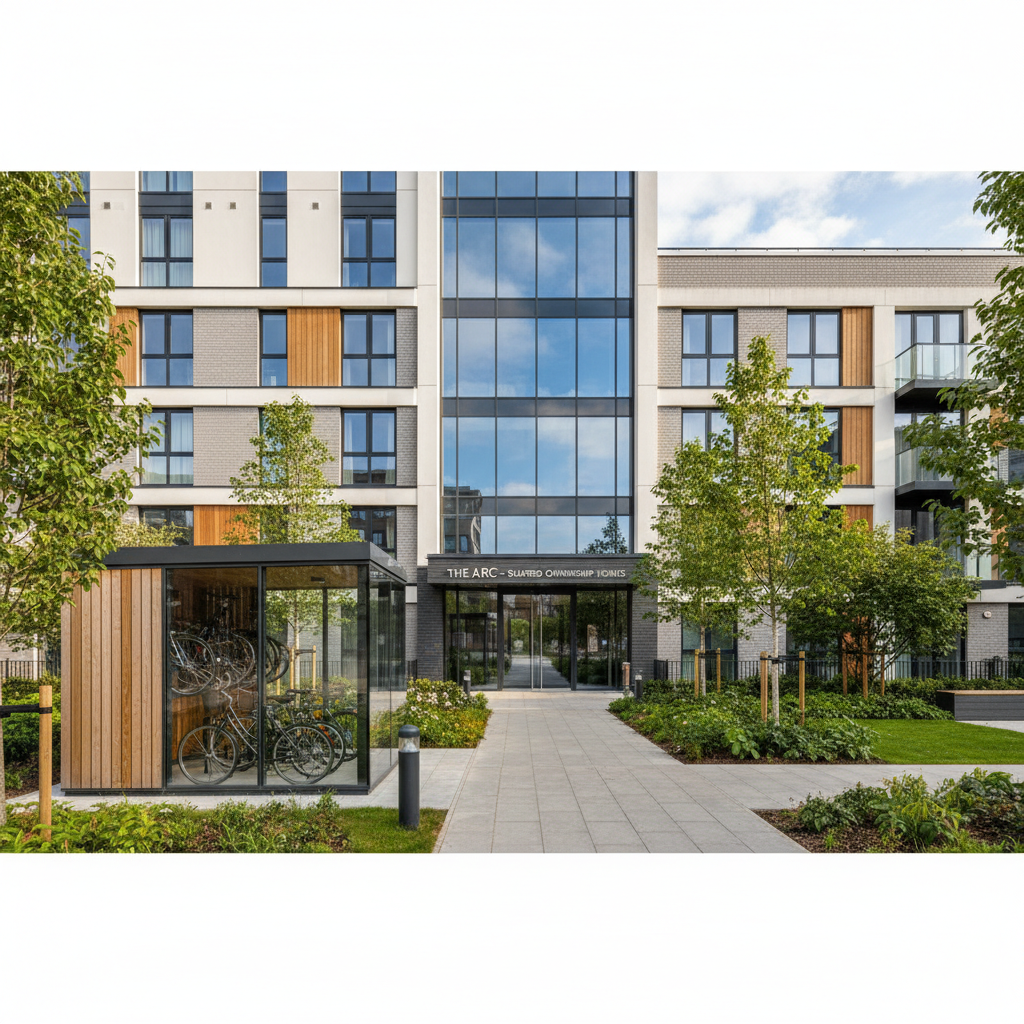
Chapter 1: The Starting Position — Priced Out and Frustrated
My name is Rachel. I am 32 years old, and I work as a mental health support worker for an NHS trust in Bristol. My salary is £32,000 per year — decent by national standards, but laughably insufficient for the Bristol property market, where even a modest one-bedroom flat starts at £200,000 and a two-bedroom house in a liveable area commands £280,000 or more.
I am a single earner with no partner and no prospect of combining incomes. After tax, national insurance, and my workplace pension contribution, my monthly take-home is approximately £2,100. My rent for a one-bedroom flat in Bedminster — a once-unfashionable area that has been aggressively gentrified over the past decade — is £825 per month. After rent, council tax (£108), utilities (£80), food (£220), transport (£65 — I cycle to work but need a bus pass for shifts at other sites), phone (£25), and other essentials, I am left with approximately £200 per month for savings and any form of social life or personal spending.
Over four years of disciplined saving — including putting birthday money, tax rebates, and occasional overtime payments aside — I had accumulated £6,200. I also had £800 in a Lifetime ISA that I had opened 18 months earlier, plus the 25% government bonus, giving a LISA total of approximately £1,000.
Total savings: approximately £7,200.
To buy the cheapest one-bedroom flat in Bristol outright (£200,000), I would need:
- 5% deposit: £10,000
- Maximum mortgage at 4.5x salary: £144,000
- Shortfall between mortgage and price: £56,000
The maths did not work. At 4.5 times my salary, the maximum mortgage I could obtain was £144,000. Even with a 5% deposit of £10,000 (which I did not have), the maximum property I could afford was approximately £154,000. In Bristol, £154,000 buys you a parking space, not a flat.
"I felt genuinely hopeless," I admit. "I was working full-time in a demanding NHS role, contributing to society, paying my taxes, and I could not afford to buy the most basic property in the city where I worked. The renting trap felt permanent — I was paying £825 per month to a landlord, building their equity, not mine, with no prospect of ever saving enough to escape. I was 30 at the time and I could not see how anything would change by 40, or 50, or ever."
Then a colleague mentioned Shared Ownership. She had bought a flat through the scheme two years earlier and suggested I look into it. That conversation changed the trajectory of my life.
Chapter 2: Discovering Shared Ownership — Hope and Scepticism
I spent an entire weekend researching Shared Ownership. The basic concept is straightforward: you buy a share of a property (typically 25% to 75%) and pay rent on the remaining share to a housing association. Your mortgage and deposit are based only on the share you are buying, not the full property value. Over time, you can buy additional shares ("staircasing") until you eventually own 100% of the property.
The numbers immediately looked more achievable. If a property was valued at £240,000 and I bought a 25% share:
- My share: £60,000
- 5% deposit on my share: £3,000
- Mortgage needed: £57,000
- Rent on the remaining 75%: approximately £375 per month (based on 2.75% of the unsold share, divided by 12)
A £3,000 deposit was within my reach. A £57,000 mortgage at 4.5x my salary was well within lending limits. The monthly mortgage payment on £57,000 at 5.5% over 30 years would be approximately £324. Combined with the rent of £375, my total housing cost would be approximately £699 — actually less than my current rent of £825.
"Wait, I could own part of a home and pay less per month than I was paying in rent?" That was my exact reaction. Followed immediately by: "There must be a catch."
There are catches, as I would discover. But the fundamental economics of Shared Ownership were genuinely compelling for someone in my position. For a comprehensive overview of the scheme, see our Shared Ownership new build guide.
Chapter 3: Eligibility — Proving I Qualified
Shared Ownership is not available to everyone. There are eligibility criteria that must be met, and they are checked rigorously by the housing association.
The Basic Criteria
- Household income: Must be £80,000 or less per year (or £90,000 in London). My income of £32,000 easily qualified.
- First-time buyer status: Under the current Shared Ownership model (from April 2021 onwards), you must be a first-time buyer, or a previous homeowner who cannot afford to buy now, or an existing shared owner looking to move. I was a first-time buyer.
- Unable to buy on the open market: The housing association must be satisfied that you cannot afford to buy a suitable property outright. Given my salary and the Bristol market, this was self-evident.
- No arrears or adverse credit: No significant debt, no county court judgments, no recent bankruptcy. My credit history was clean.
- Able to demonstrate affordability: You must be able to afford the combined cost of mortgage, rent, and service charge on a sustained basis. The housing association conducts its own affordability assessment separate from the mortgage lender's.
The Eligibility Application
I registered with two housing associations operating in Bristol: LiveWest and Aster Group. Both required me to complete an online eligibility form — essentially a financial questionnaire covering income, savings, debts, housing situation, and why I believed I was unable to buy on the open market.
The eligibility confirmation from LiveWest came within two weeks. The letter confirmed that I was eligible for Shared Ownership and could proceed to view available properties. Aster's response took slightly longer (three weeks) but was equally positive.
"The eligibility process was relatively painless," I note. "The forms were straightforward, and the response was reasonably quick. The real complexity came later, in the affordability assessment and the mortgage application."
Chapter 4: Finding the Development and Choosing a Share
With eligibility confirmed, I started browsing available Shared Ownership properties. I used Share to Buy (the national portal), the LiveWest website, and Rightmove (filtering for Shared Ownership).
The options in Bristol were more limited than I had hoped. Shared Ownership is only available on specific developments — typically those built in partnership between a developer and a housing association. At the time of my search, there were approximately 15 Shared Ownership properties available across Bristol, ranging from one-bedroom apartments to three-bedroom houses.
After visiting four developments over two weekends, I focused on a new build development in South Bristol — a scheme of 85 homes (a mix of houses and apartments) being delivered by a national developer in partnership with LiveWest. The development was well-located: 10 minutes by bus to the city centre, close to a supermarket and GP surgery, and in an area with a reasonable community feel.
I chose a two-bedroom ground-floor apartment. The full market value was £235,000.
Choosing the Share Percentage: The Maths
This was one of the most important decisions of the entire process. The share percentage I chose would determine my deposit, my mortgage, my monthly rent, and my long-term equity position. I worked through three scenarios in detail:
Scenario 1: 25% Share (£58,750)
- Deposit (5% of share): £2,938
- Mortgage: £55,812
- Monthly mortgage payment (5.5%, 30 years): £317
- Monthly rent (2.75% of £176,250 unsold share / 12): £404
- Monthly service charge: £135
- Total monthly cost: £856
Scenario 2: 40% Share (£94,000)
- Deposit (5% of share): £4,700
- Mortgage: £89,300
- Monthly mortgage payment (5.5%, 30 years): £507
- Monthly rent (2.75% of £141,000 unsold share / 12): £323
- Monthly service charge: £135
- Total monthly cost: £965
Scenario 3: 50% Share (£117,500)
- Deposit (5% of share): £5,875
- Mortgage: £111,625
- Monthly mortgage payment (5.5%, 30 years): £634
- Monthly rent (2.75% of £117,500 unsold share / 12): £269
- Monthly service charge: £135
- Total monthly cost: £1,038
The trade-offs were clear. A lower share meant a lower deposit and lower mortgage payments, but higher rent (because a larger proportion of the property remained unsold). A higher share meant more equity from day one and lower rent, but a larger mortgage and deposit requirement.
There was also the affordability question. At 4.5 times my salary (£144,000), I could technically afford the 50% share mortgage of £111,625. But the housing association's affordability assessment was more conservative than the mortgage lender's — they wanted to ensure I could sustain the payments even if interest rates rose. Their affordability model suggested that a 40% share was the maximum that was sustainable for me at my current income.
"I agonised over this for about two weeks," I recall. "Part of me wanted the 25% share because the deposit was lowest and the monthly cost was actually less than my current rent. But I kept coming back to the equity position — at 25%, I was paying mostly rent, building equity slowly. At 40%, the balance between mortgage (equity-building) and rent (money gone) was more favourable. I also thought about staircasing — the more I owned from the start, the less I would need to staircase later."
I chose the 40% share. Deposit required: £4,700. Mortgage required: £89,300. Monthly cost: approximately £965. My savings of £7,200 would cover the deposit with £2,500 remaining for legal costs and moving expenses. It was tight, but workable.
Chapter 5: The Affordability Assessment
The housing association's affordability assessment was more thorough and more intrusive than I expected. LiveWest required:
- Three months of payslips
- Three months of bank statements for every account I held
- Details of all regular outgoings (subscriptions, gym membership, loan payments, insurance)
- Evidence of my savings (bank/building society statements)
- A completed affordability questionnaire detailing my income and expenditure
- Confirmation of my employment status (permanent, temporary, or contract)
The bank statements were the most invasive part. The housing association reviewed my spending patterns — not just the totals, but the individual transactions. I was asked to explain a few larger payments: a £350 payment to a friend (it was splitting the cost of a holiday — I had to provide evidence), and a series of payments to a subscription service that could have been gambling (it was a premium Spotify and streaming bundle — I had to clarify).
"It felt like being judged for how I spent my own money," I admit. "But I understand the rationale. They were ensuring I could genuinely afford the payments, and they were protecting me as much as themselves. If I was spending £200 a month on non-essential subscriptions and then could not afford my mortgage and rent, that would be a problem for everyone."
The affordability assessment took three weeks to process. The outcome: I was approved for a 40% share, as I had requested. The housing association also provided a helpful breakdown of the expected monthly costs, including a warning that the rent would increase annually and that service charges could also rise.
Chapter 6: The Mortgage Challenge — Fewer Lenders, Different Rules
Securing a mortgage for a Shared Ownership property is more complex than a standard mortgage application. The pool of lenders is smaller, the criteria are different, and the process takes longer.
Why Shared Ownership Mortgages Are Different
When you buy through Shared Ownership, the housing association retains a legal interest in the property (they own the unsold share). This means the mortgage lender has to accept that they are not the sole charge-holder — if you default, the housing association has rights too. Not all lenders are comfortable with this arrangement, which limits your options.
Additionally, the lender needs to assess affordability based on your total housing cost (mortgage + rent + service charge), not just the mortgage payment. Some lenders use different affordability models for Shared Ownership, which can result in lower maximum lending amounts.
My Mortgage Search
I used a specialist mortgage broker recommended by LiveWest. The broker explained that approximately 20 to 25 lenders offer Shared Ownership mortgages (compared to 90+ for standard residential mortgages), and that the best rates were typically available from building societies and specialist lenders rather than the big high street banks.
The broker identified three potential lenders. The best rate was from a building society offering 5.39% fixed for two years, with a £500 arrangement fee. The monthly payment on £89,300 over 30 years at 5.39%: approximately £500.
My full application was submitted, and the process began. It was largely similar to a standard mortgage application — payslips, bank statements, proof of deposit, credit check — but with additional Shared Ownership-specific requirements:
- A copy of the Shared Ownership lease (draft version)
- Confirmation from the housing association of the rent amount and review schedule
- Details of the service charge
- The housing association's affordability assessment confirmation
The Complication
Three weeks into the application, the lender raised a query about the lease. Specifically, they were concerned about a clause relating to the housing association's right to nominate a buyer if I wanted to sell. Under the Shared Ownership lease, if I wanted to sell within the first 21 years, the housing association had an eight-week nomination period during which they could find a buyer — essentially giving them first refusal on the sale. The lender wanted confirmation that this clause would not prevent them from exercising their power of sale in the event of repossession.
This query went back and forth between the lender, my solicitor, and the housing association for two weeks. It was resolved when LiveWest provided a standard letter confirming that the nomination clause would not override the lender's rights in a repossession scenario. But those two weeks of uncertainty were deeply stressful.
"I remember thinking: this is supposed to be a scheme designed to help people like me buy homes, and the legal complexity is making it harder, not easier," I say. "The mortgage process for Shared Ownership took seven weeks from application to offer — about two to three weeks longer than a standard mortgage, in my broker's experience."
For a comparison of Shared Ownership with other schemes, see our guide on Help to Buy versus Shared Ownership.
Chapter 7: The Legal Process — More Complex Than Standard
The conveyancing for a Shared Ownership property involves additional layers of complexity compared to a standard purchase. My solicitor (not a panel solicitor — I chose to instruct my own, having read advice about the importance of independent legal advice) warned me at the outset that the process would take longer and would involve more documentation.
What the Solicitor Reviewed
- The Shared Ownership lease: This is the central document. It sets out your rights and obligations as a shared owner, the rent review mechanism, the staircasing provisions, the restrictions on alterations, subletting rules, and the procedure for selling. My lease was 68 pages long.
- The memorandum of staircasing: The provisions governing how you buy additional shares — the process, the costs, and the valuation methodology.
- The management arrangements: Who manages the building and communal areas, what the service charge covers, how it is calculated, and how disputes are resolved.
- Standard conveyancing searches: Local authority, environmental, drainage, and other searches, just as with any property purchase.
- NHBC warranty documentation: Confirming the new build warranty was in place.
- The transfer deed: The legal document transferring your share from the developer to you.
My solicitor flagged several important points in the lease:
- Rent review mechanism: The rent would increase annually by RPI + 0.5%, capped at RPI + 2% in any single year. This was important because it meant my rent would rise every year, potentially by a significant amount in periods of high inflation. The solicitor calculated that if RPI averaged 4% over five years, my monthly rent would increase from £323 to approximately £405 — an increase of £82 per month.
- Restrictions on alterations: I could not make any structural changes, external alterations, or significant internal modifications without written consent from LiveWest. Even non-structural changes like fitting a new kitchen or bathroom required notification.
- Subletting restrictions: I could not sublet the property, even temporarily. This meant no Airbnb, no letting out a room, and no extended absences where someone else occupied the flat.
- Obligation to maintain: I was responsible for maintaining the interior of the property to a reasonable standard, even though I only owned 40% of it. This included repairs, decorating, and replacing fixtures and fittings as they wore out.
The conveyancing process took 12 weeks from instruction to exchange of contracts. The solicitor's fee was £1,850 including disbursements — approximately £350 more than a standard new build purchase, reflecting the additional work involved in reviewing the Shared Ownership documentation.
Chapter 8: Waiting for Completion and Moving In
My property was being built as part of an ongoing development phase. The estimated completion date at the time of reservation was five months away. In the event, completion was delayed by three weeks due to supply chain issues with bathroom fittings — a relatively minor delay compared to many new build experiences, but still disruptive enough that I had to negotiate a short extension on my rental tenancy.
Completion day arrived on a Wednesday in September. The money transfer process — which for Shared Ownership involves both the mortgage lender and the housing association's legal representatives — was completed by early afternoon. I collected my keys from the sales office at 3pm.
"Walking into my flat for the first time as its owner — well, 40% owner — was extraordinary," I recall. "It smelled of new paint and fresh carpet. Everything was clean and untouched. The kitchen was gleaming, the bathroom tiles were pristine, the windows looked out over a communal garden that was still being landscaped. I stood in the living room and cried — not from sadness, but from sheer relief. After years of feeling priced out, locked out, and hopeless, I had a home of my own."
The Professional Snagging Inspection
I hired a professional snagging inspector (£320) who identified 31 items. The most significant were:
- A gap in the seal around the kitchen sink that could allow water to penetrate the worktop
- The extractor fan in the bathroom was noisy and appeared to be slightly misaligned in its housing
- Two areas of the internal walls had visible plaster imperfections — bumps that showed through the paint in certain light
- The front door did not close smoothly and required extra force to engage the lock
- Minor cosmetic issues throughout — paint splashes, scratches, grout inconsistencies
The developer's aftercare team addressed all items within six weeks. The front door required two visits to resolve (the first adjustment improved but did not fully fix the issue), but overall the snagging process was well-managed. For a detailed snagging guide, see our new build snagging checklist.
Chapter 9: The Reality of Monthly Costs
Here is the unvarnished breakdown of what I actually pay each month to live in my Shared Ownership flat, 24 months after moving in:
Year 1 Monthly Costs
- Mortgage payment: £500
- Rent to housing association (40% unsold share): £323
- Service charge: £135
- Council tax (Band B): £128
- Energy (gas and electricity): £72
- Water: £28
- Broadband: £30
- Buildings insurance: included in service charge
- Contents insurance: £14
- Total year 1 monthly cost: £1,230
Year 2 Monthly Costs (After Annual Reviews)
- Mortgage payment: £500 (unchanged — fixed rate)
- Rent to housing association: £341 (increased by RPI + 0.5%, approximately 5.6% increase)
- Service charge: £152 (increased from £135 — the first-year subsidy ended, plus inflationary increase)
- Council tax: £135 (annual increase)
- Energy: £80 (slight increase due to energy price rises)
- Water: £30
- Broadband: £30
- Contents insurance: £15
- Total year 2 monthly cost: £1,283
The year-on-year increase of £53 per month (£636 per year) was driven primarily by the rent review and the service charge increase. These are costs I have no control over — they increase automatically based on formulas set out in the lease.
"The rent increase was the one that stung most," I say. "My salary went up by about 2% that year, but my rent went up by 5.6%. The rent is linked to RPI plus 0.5%, and RPI was running at about 5.1% at the time. In real terms, I was paying more and earning less in relative terms. This is the uncomfortable truth about Shared Ownership: the rent element is inflationary, and in periods of high inflation, it can feel like you are running to stand still."
Comparison With Previous Rent
My total housing cost in Year 1 (£1,230) was significantly more than my previous rent (£825 plus £108 council tax plus £80 utilities = £1,013). The increase of approximately £217 per month was the cost of transitioning from renting to part-ownership. However, approximately £500 of my monthly cost (the mortgage payment) is building equity — money that is working for me rather than enriching a landlord. The £323 rent (Year 1) is "dead money" in the same way as my previous £825 rent, but it is buying me access to a £235,000 property that I could not otherwise afford.
Chapter 10: Living in a Shared Ownership Development
Living in a Shared Ownership property is, day to day, very similar to living in any other apartment. But there are aspects of the Shared Ownership arrangement that affect your experience in ways you might not expect.
The Management Company
The development is managed by a management company appointed by the developer. They maintain the communal areas — the entrance lobby, corridors, stairwells, bike storage, bin stores, and the communal garden. The quality of management has been... variable.
In the first year, the communal areas were well-maintained — clean, well-lit, and in good condition. In the second year, I noticed a decline. The corridors were cleaned less frequently, light bulbs were replaced slowly, and the communal garden became somewhat neglected. Several residents raised complaints through the management company's website, which led to some improvement, but the experience highlighted an ongoing tension: residents want high standards, but the service charge must cover the cost, and increases are unpopular.
The Housing Association's Role
LiveWest is both my landlord (for the unsold 60% share) and the organisation that oversees the Shared Ownership scheme. In practice, my day-to-day interactions with them have been minimal — they collect the rent via direct debit, they send an annual rent review letter, and they process requests for consent (e.g., when I wanted to install new curtain poles, I technically needed their permission).
The rent review process is entirely formulaic — they apply the RPI + 0.5% increase as per the lease. There is no negotiation, no discussion, no appeal. The letter arrives, the new rent is stated, and the direct debit is updated. It feels impersonal, but it is transparent and predictable.
Rules and Restrictions
Shared Ownership comes with restrictions that can feel limiting:
- No subletting: I cannot let out my spare bedroom or go on an extended trip and have someone look after the flat. This is non-negotiable in the lease.
- Alterations need consent: Anything beyond basic decorating requires written consent from LiveWest. Painting a wall is fine. Replacing the bathroom tiles is fine but needs notification. Knocking through a wall (if I wanted to, which I do not) would require formal consent and potentially planning permission.
- Selling restrictions: If I want to sell, the housing association has an eight-week nomination period to find a Shared Ownership buyer. Only if they fail to find one can I sell on the open market.
- Pet restrictions: The lease says no pets without consent. I asked about a cat and was told it would be considered on a case-by-case basis. I decided not to push it.
"The restrictions are the most frustrating aspect of Shared Ownership," I acknowledge. "It is your home, you are paying for it, you are maintaining it, but you do not have full control. It is a compromise — and for the opportunity to own property on my salary, it is a compromise I am willing to make. But it is important to go in with your eyes open."
Chapter 11: The Staircasing Decision — Buying More Shares
Staircasing is the process of buying additional shares in your Shared Ownership property, moving toward eventual full ownership. After two years of living in my flat, I started seriously considering whether to staircase.
How Staircasing Works
To buy additional shares, you need to:
- Notify the housing association of your intention to staircase
- Commission an independent RICS (Royal Institution of Chartered Surveyors) valuation of the property at its current market value
- Decide how much additional share you want to buy (you can staircase in increments — the minimum is typically 5% to 10%)
- Arrange financing for the additional share (either through savings, remortgaging, or a new mortgage)
- Complete the legal process (solicitor, housing association, Land Registry)
The Costs of Staircasing
Staircasing is not free. Here are the costs I was quoted:
- RICS valuation: £350 to £450
- Solicitor fees: £1,000 to £1,500
- Housing association administration fee: £150
- Mortgage arrangement fee (if remortgaging): £0 to £1,000 depending on product
- Land Registry fee: approximately £100
Total staircasing costs: approximately £1,600 to £3,200
These costs apply each time you staircase. If you staircase in four increments of 15% to reach 100%, you would pay these costs four times — potentially £6,400 to £12,800 in total. This is why many advisors recommend staircasing in larger increments if you can afford it — fewer transactions mean lower cumulative costs.
Working Through the Maths
I worked through two scenarios: staircasing from 40% to 60%, and staircasing from 40% to 75%.
Scenario A: Staircasing from 40% to 60%
Assuming the property is now valued at £250,000 (a modest increase from the £235,000 purchase price):
- Additional 20% share: £50,000
- New total share: 60% (£150,000 at current values)
- New mortgage required: approximately £139,000 (existing mortgage balance + additional share cost)
- New monthly mortgage payment: approximately £790
- New monthly rent (on 40% unsold share): approximately £229
- Service charge: £152 (unchanged)
- New total monthly cost: approximately £1,171
This would reduce my total monthly cost by about £112 compared to my current Year 2 costs, because the rent reduction (from £341 to £229) is greater than the mortgage increase. More importantly, a larger share of my monthly payment would be building equity rather than paying rent.
Scenario B: Staircasing from 40% to 75%
- Additional 35% share: £87,500
- New total share: 75% (£187,500 at current values)
- New mortgage required: approximately £176,500
- New monthly mortgage payment: approximately £1,003
- New monthly rent (on 25% unsold share): approximately £143
- Service charge: £152
- New total monthly cost: approximately £1,298
This would actually increase my total monthly cost slightly, but the composition would shift dramatically — much more going to equity and much less to rent. However, the mortgage of £176,500 is at the upper end of what I can borrow on my salary, and the monthly payment of £1,003 would leave me with very little financial buffer.
My Decision
After careful consideration, I decided to wait before staircasing. The reasons:
- Transaction costs: Spending £1,600 to £3,200 on staircasing fees while I have limited savings felt premature. I want to build a more comfortable financial cushion first.
- Interest rates: With mortgage rates still elevated, locking in a larger mortgage now might not be the optimal financial decision. If rates fall in the coming years, staircasing later could mean a lower interest rate on the additional borrowing.
- Career progression: I expect my salary to increase over the next two to three years as I gain experience and potentially move to a more senior role. A higher salary would improve both my borrowing capacity and my ability to manage higher monthly payments.
- Property value: If property values continue to rise, staircasing later means paying more for the additional shares. But the increase in my existing share value partially offsets this — I am getting wealthier as the value rises, even on my 40% share.
"My plan is to staircase from 40% to 65% or 70% in about two to three years, when I have more savings, a higher salary, and hopefully access to lower mortgage rates," I explain. "I will not try to reach 100% in one go — the financial stretch would be too great. But I want to get to a point where the rent element is minimal and the majority of my housing cost is building equity."
For more detail on government schemes and how they compare, see our guide on government schemes for first-time buyers.
Chapter 12: The Two-Year Retrospective
Two years into Shared Ownership, here is my honest assessment.
What Has Gone Well
- I own property: Two years ago, I was paying £825 per month in rent with zero prospect of buying. Today, I own 40% of a £250,000 property. My equity (40% of £250,000 minus mortgage balance) is approximately £11,000 and growing. That is a transformation I did not think was possible.
- Stability: I have security of tenure. Nobody can ask me to leave (as long as I meet my obligations). I do not face annual rent negotiations with a private landlord. I can put pictures on the walls, paint the rooms whatever colour I want, and treat the flat as my home.
- The property itself: The flat is well-built, warm, and modern. My energy bills are low (EPC rating B), the appliances are new and reliable, and the NHBC warranty covers structural issues. I have had zero unexpected maintenance costs in two years.
- Community: The development has a good mix of residents — Shared Ownership buyers like me, full-price buyers, and some social renters. There is a WhatsApp group, occasional social events, and a generally friendly atmosphere.
- Financial discipline: Shared Ownership forced me to be disciplined about money. I know exactly what I earn, what I spend, and what I can save. That discipline has benefited other areas of my life too.
What Has Been Difficult
- The rent increases: After two years, my rent has increased from £323 to approximately £358 per month. Over 10 years at similar rates of increase, it would reach approximately £550. This trajectory is concerning, and it is the primary motivation for staircasing — buying more shares to reduce the rental element.
- The service charge: The increase from £135 to £152 in just one year was unwelcome. I have limited visibility into how the service charge is spent, and the management company's responsiveness to queries has been poor.
- The restrictions: Not being able to sublet, needing consent for alterations, and the pet policy all feel limiting. These are the tangible reminders that I do not fully own my home.
- The complexity: Shared Ownership is not simple. The legal documentation, the mortgage process, the rent reviews, the staircasing calculations — it requires a level of financial literacy and administrative engagement that many people would find daunting. I consider myself reasonably numerate, and I still found it challenging at times.
- The stigma: This is rarely discussed, but there is a subtle stigma attached to Shared Ownership. When I tell people I am a homeowner, and then explain it is Shared Ownership, there is sometimes a pause — an unspoken "oh, so not a real homeowner." This is both unfair and inaccurate, but it exists. I own property, I have a mortgage, I am building equity. The fact that I own 40% rather than 100% does not make me less of a homeowner.
The Numbers After Two Years
- Property purchased at: £235,000 (full market value)
- My share: 40% = £94,000
- Current estimated value: £250,000 (based on comparable sales)
- My share at current value: 40% of £250,000 = £100,000
- Mortgage balance: approximately £87,200
- Equity: £100,000 - £87,200 = £12,800
- Equity at purchase: £94,000 - £89,300 = £4,700 (my deposit)
- Equity growth over two years: £8,100
That £8,100 of equity growth is a combination of capital appreciation (the property value increasing) and mortgage repayment (reducing the outstanding balance). Two years ago, my net wealth in property terms was zero. Today, it is approximately £12,800. That trajectory is life-changing.
Chapter 13: Advice for Prospective Shared Ownership Buyers
Based on two years of experience, here is my advice for anyone considering Shared Ownership.
1. Understand the Full Cost, Not Just the Mortgage
The mortgage payment is only part of the picture. Rent, service charge, council tax, and utilities all add up. Calculate the total monthly cost and compare it honestly with your current outgoings. Do not fall into the trap of comparing just the mortgage payment with your current rent — that comparison is misleading.
2. Read the Lease Thoroughly
The Shared Ownership lease is the most important document in the process. Read it carefully, or pay your solicitor to explain every clause. Pay particular attention to the rent review mechanism (how much will your rent increase each year?), the service charge arrangements (who manages the building, how is the charge calculated?), and the restrictions on use (can you have pets, can you sublet, what alterations require consent?).
3. Factor in Rent Increases
Your rent will increase every year, typically linked to RPI or CPI plus a margin. In periods of high inflation, these increases can be significant. Build future rent increases into your financial planning — do not assume today's rent will stay the same.
4. Choose the Highest Share You Can Comfortably Afford
A higher initial share means more equity from day one and lower rent. It also means fewer staircasing transactions (and associated costs) to reach full ownership. Do not buy the minimum share just because you can — buy the highest share that is sustainable for your budget, with a reasonable buffer for unexpected costs.
5. Use a Specialist Mortgage Broker
Shared Ownership mortgages are a specialist product. A general high-street mortgage advisor may not have the knowledge or access to the best products. Use a broker who specialises in Shared Ownership — your housing association will usually have recommendations.
6. Instruct Your Own Solicitor
Do not use the developer's panel solicitor for a Shared Ownership purchase. The additional legal complexity of the Shared Ownership lease means you need a solicitor who is working exclusively for you, with no conflicts of interest. Pay the extra cost — it is worth it for the peace of mind.
7. Plan for Staircasing
Think about staircasing from the outset. When will you staircase? How much will it cost? How will you finance it? Having a plan — even a rough one — helps you make better decisions about your initial share percentage and your savings strategy.
8. Do Not Let Perfect Be the Enemy of Good
Shared Ownership is not perfect. The rent increases, the restrictions, the complexity, the stigma — these are real downsides. But for people who cannot afford to buy outright, it is a genuine, viable route to homeownership. It has given me stability, equity, and a home of my own. Those things are worth the compromises.
For a complete comparison of the options available to first-time buyers, see our guide on Help to Buy versus Shared Ownership for new builds, and for an overview of all available government support, see our government schemes for first-time buyers guide.
Final Thoughts
Two years ago, I was a 30-year-old NHS worker earning £32,000, with £7,200 in savings, paying £825 per month in rent, and utterly convinced that homeownership was impossible. Today, I own 40% of a beautiful, modern flat in Bristol, with £12,800 in equity and a plan to staircase to 70% within the next three years.
Shared Ownership did not just give me a flat. It gave me hope, stability, and a financial future. The process was more complex, more stressful, and more expensive than I anticipated. The restrictions chafe sometimes. The rent increases worry me. The service charge frustrates me. But every single morning, I wake up in my own home — a home that nobody can take away from me, a home where I am building equity with every mortgage payment, a home that is genuinely mine.
Is Shared Ownership the answer for everyone? No. Is it a perfect scheme? Absolutely not. But for people like me — single earners on modest salaries, priced out of the open market, trapped in a cycle of rising rents and inadequate savings — it is a lifeline. And I am grateful for it every single day.
If you are considering Shared Ownership, I encourage you to do your research, crunch the numbers, ask the hard questions, and go in with realistic expectations. It is not easy. But it is absolutely, unequivocally worth it.