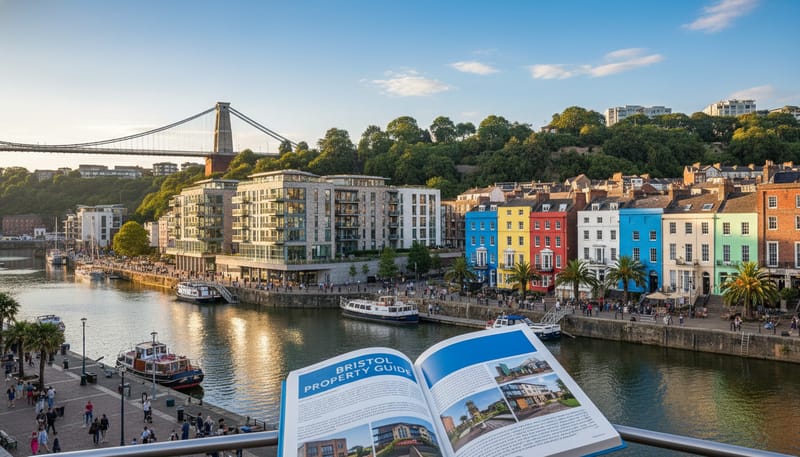
Why Choose Bristol for Your New Build Home?
Bristol has been consistently named among the UK’s best cities to live and work, and for good reason. The city boasts one of the strongest regional economies outside London, driven by aerospace, technology, financial services, and creative industries. Major employers including Airbus, Rolls-Royce, Hargreaves Lansdown, and a growing cluster of tech startups provide excellent career opportunities for residents.
The cultural scene is equally impressive. Bristol is home to world-renowned street art (including Banksy), the Bristol Old Vic theatre, Colston Hall (now Bristol Beacon), and a vibrant food scene centred around St Nicholas Market and the independent restaurants of Stokes Croft and Gloucester Road. The city’s two universities — the University of Bristol and University of the West of England — bring youthful energy and academic excellence.
For families, Bristol offers an excellent selection of primary and secondary schools, with many rated Outstanding by Ofsted. Green spaces abound, from the Downs and Ashton Court Estate to the Avon Gorge and Leigh Woods. The proximity to the countryside — including the Mendip Hills, Cheddar Gorge, and the Cotswolds — makes Bristol an ideal base for outdoor enthusiasts.
Key Fact: Bristol’s tech sector has grown by over 20% in the last five years, earning it the nickname “Silicon Gorge.” This growth is driving significant demand for housing, particularly new build apartments near the city centre and family homes in commuter-friendly suburbs.
Area-by-Area Breakdown: Where to Buy in Bristol
Bristol is a city of distinct neighbourhoods, each with its own character and appeal. Here’s a detailed look at the key areas where new build homes are available, along with what makes each one special for prospective buyers.
Harbourside
Bristol’s flagship waterfront district offers luxury apartments and contemporary living. Home to Wapping Wharf, the SS Great Britain, and a thriving restaurant quarter, Harbourside is perfect for professionals seeking a premium urban lifestyle. Developers like Crest Nicholson and A2Dominion have delivered landmark schemes here.
Southville
A bohemian and family-friendly neighbourhood south of the river, Southville is known for North Street’s independent shops and cafes, the Tobacco Factory arts centre, and the annual Upfest street art festival. New build opportunities are limited but highly sought after in this characterful area.
Redland
One of Bristol’s most desirable residential areas, Redland is known for its Victorian and Edwardian architecture, tree-lined streets, and excellent schools. New build developments here tend to be small-scale boutique schemes. Close to Whiteladies Road shopping and dining, and the Downs.
Stoke Bishop
An affluent, leafy suburb bordering the Downs and Leigh Woods, Stoke Bishop is one of Bristol’s premium postcodes. Large detached homes and executive new builds attract families and professionals. Excellent schools including Stoke Bishop C of E Primary and nearby Badminton School.
Bedminster
Bedminster is rapidly gentrifying and becoming one of Bristol’s most exciting areas for new build buyers. East Street regeneration, new apartment complexes, and proximity to the city centre make it attractive for first-time buyers and investors. The area has a strong community feel with local markets and independent retailers.
Bradley Stoke
A purpose-built town on Bristol’s northern fringe, Bradley Stoke is the UK’s largest new town. It offers excellent value, modern amenities, good schools, and easy access to the M4/M5 interchange. Major developers including Barratt and Taylor Wimpey have large-scale schemes. Ideal for families and commuters.
Patchway & Filton
The Filton Airfield redevelopment is one of the largest regeneration projects in the South West, transforming the former Concorde runway into a new community with thousands of homes, schools, shops, and green spaces. YTL Developments is leading this multi-billion pound scheme. Patchway nearby also offers more affordable new build options with good transport links to the city centre and the M4/M5 corridors.
The new Brabazon neighbourhood at Filton will eventually deliver around 2,675 homes alongside commercial space, a new arena, and community facilities. This is set to be one of Bristol’s most transformative developments over the coming decade and represents an excellent opportunity for early buyers to benefit from capital growth as the area matures.
New Build Price Analysis: Bristol by Area
Bristol’s new build market spans a wide price range, from affordable apartments in the northern fringe to luxury waterfront homes in Harbourside and Stoke Bishop. Understanding the price landscape is essential for making an informed purchase decision. Here’s how the key areas compare.
Transport Links and Connectivity
Bristol benefits from excellent transport connections that make it easy to commute to other major cities and travel across the country. Whether you rely on trains, roads, or air travel, the city is well-served by infrastructure that continues to improve with ongoing investment.
Rail Services
Bristol Temple Meads is the city’s main railway station, providing direct services to London Paddington (1hr 40min), Cardiff (50min), Birmingham (1hr 20min), and Exeter (1hr). The station is a major hub on the Great Western Main Line.
Bristol Parkway on the northern edge of the city offers fast services to London (1hr 20min) and is popular with commuters from Bradley Stoke and Patchway. Other local stations include Filton Abbey Wood, Bedminster, and Parson Street.
Road Network
Bristol sits at the junction of the M4 (connecting London to South Wales) and the M5 (running from Birmingham to Exeter). The M32 provides a direct motorway link into the city centre from the M4.
The A4 Portway connects the city to the Avon Gorge and the western suburbs, while the A37 and A38 provide access to Somerset and the south. Bristol also has an extensive bus network operated by First Bus, with metrobus rapid transit services linking key employment areas.
Bristol Airport
Bristol Airport is located approximately 8 miles south of the city centre in Lulsgate Bottom. It serves over 80 destinations across Europe and is the ninth busiest airport in the UK. The airport has undergone significant expansion and handles around 9 million passengers annually. A direct bus service (A1 Bristol Flyer) connects the airport to the city centre in approximately 30 minutes. Plans for further expansion, including improved public transport links, continue to progress through planning stages.
Future Transport: The MetroWest rail project aims to reopen the Portishead line and improve frequency on existing lines, dramatically improving connectivity for western Bristol suburbs. Meanwhile, Bristol’s mass transit plans could eventually deliver a rapid transit system to serve the wider urban area. These improvements will boost property values in well-connected areas.
Schools and Education
Bristol has an excellent and diverse education landscape, making it a top choice for families. The city is home to a wide range of state, academy, and independent schools at both primary and secondary levels, many with Outstanding Ofsted ratings. Proximity to good schools is one of the primary drivers of demand in Bristol’s family-friendly neighbourhoods.
Higher education is well represented by the University of Bristol, a Russell Group institution ranked consistently in the UK top 15, and the University of the West of England (UWE), which has invested heavily in its Frenchay campus. Both institutions contribute to the city’s vibrant economy and provide a skilled workforce that supports local employers. For families with young children, Bristol also has an extensive network of nurseries and early years providers, particularly concentrated in residential areas like Redland, Henleaze, and Bishopston.
Lifestyle, Culture and Recreation
Bristol’s lifestyle offering is one of its greatest draws. The city has a nationally renowned food scene, with areas like Wapping Wharf, Gloucester Road, and North Street in Southville packed with independent restaurants, cafes, and bars. The St Nicholas Market in the Old City has been trading for centuries and is a must-visit for street food and artisan goods.
Cultural highlights include the Bristol Old Vic (the oldest continuously working theatre in the English-speaking world), the Arnolfini contemporary arts centre, the Watershed media centre, and M Shed museum. The annual Bristol International Balloon Fiesta is one of Europe’s largest hot air balloon events, drawing hundreds of thousands of visitors each August. Music lovers benefit from a thriving live scene centred around venues like the O2 Academy, Thekla, and the newly refurbished Bristol Beacon.
For outdoor enthusiasts, Bristol is exceptionally well-placed. The Avon Gorge and Leigh Woods offer spectacular walks and climbing, while the Bristol & Bath Railway Path provides a traffic-free cycling route. Ashton Court Estate, with its 850 acres of parkland, is a short ride from the city centre. Further afield, the Mendip Hills, Cheddar Gorge, and the Cotswolds are all within easy reach for day trips. Bristol also boasts the Clifton Suspension Bridge, an iconic Brunel-designed landmark that offers stunning views across the gorge.
Temple Quarter: Bristol’s Flagship Regeneration
The Temple Quarter Enterprise Zone is the single most significant regeneration project in Bristol and one of the largest in the UK. Situated around Bristol Temple Meads station, this £1.6 billion transformation is reshaping the eastern edge of the city centre into a vibrant mixed-use district with homes, offices, retail, and public spaces.
At the heart of the project is the new University of Bristol campus, which will create a world-class digital innovation hub and bring thousands of students and staff to the area. The Engine Shed, already open and operating as an enterprise hub, has established the zone as a magnet for tech startups and creative businesses. Plans also include significant improvements to Temple Meads station itself, with enhanced passenger facilities and better integration with the surrounding neighbourhood.
Temple Quarter Key Facts
For new build buyers, Temple Quarter represents a once-in-a-generation opportunity. Early purchases in or near the regeneration zone are likely to see significant capital appreciation as the project progresses. The combination of improved transport, new amenities, and a growing employment base makes properties in this area especially attractive for investors and owner-occupiers alike. Several major developers are already planning residential schemes within and adjacent to the Enterprise Zone.
Developer Spotlight: Who’s Building in Bristol?
Bristol attracts a diverse range of housebuilders, from national volume builders to specialist regional developers. Here are the key players currently active across the city and its surrounding areas.
Barratt Homes
One of the UK’s largest housebuilders, Barratt has multiple developments across North Bristol, including schemes in Bradley Stoke and Patchway. They offer a range of 2-5 bedroom homes, often with Help to Buy and part exchange options.
Taylor Wimpey
Active across the wider Bristol area including South Gloucestershire, Taylor Wimpey builds family-oriented developments with good community infrastructure. Their schemes often include play areas, landscaping, and connectivity to local schools.
Persimmon Homes
Persimmon operates across the Bristol fringe, offering competitively priced new builds aimed at first-time buyers and second steppers. Their developments in areas like Emersons Green and Yate provide affordable entry points to the Bristol housing market.
Bellway Homes
Bellway has a strong presence in Bristol, delivering homes in both urban and suburban locations. Their developments often feature contemporary design with energy-efficient specifications, appealing to modern buyers seeking quality and sustainability.
Acorn Property Group
A Bristol-based developer specialising in thoughtfully designed homes, Acorn focuses on brownfield regeneration and creating places with character. Their schemes in inner-city Bristol are known for high-quality finishes and attention to local context.
YTL Developments
Leading the Brabazon scheme at the former Filton Airfield, YTL is delivering one of Bristol’s most ambitious new communities. The project will create thousands of homes alongside commercial, leisure, and community facilities over the coming years.
Investment Outlook and Market Trends
Bristol’s property market has consistently outperformed the national average, with strong capital growth driven by the city’s diverse economy, growing population, and limited housing supply. The new build sector is particularly robust, with demand consistently exceeding supply in desirable areas. Key market indicators suggest this trend will continue over the medium to long term.
Positive Indicators
- ✓ Strong population growth projections
- ✓ Temple Quarter £1.6bn investment
- ✓ Growing tech and creative sectors
- ✓ Excellent rental yields (4-6%)
- ✓ MetroWest transport improvements
Considerations
- ✗ Higher prices than regional average
- ✗ Traffic congestion in peak hours
- ✗ Clean Air Zone impacts on some areas
- ✗ Competitive market for family homes
- ✗ Some areas still in early regeneration
Rental yields in Bristol are attractive for buy-to-let investors, particularly in areas close to the universities and city centre. Student accommodation in Redland and Cotham, as well as professional lets in Harbourside and Bedminster, can deliver yields of 5-7%. The growing demand from tech workers for quality accommodation near the city centre is also pushing rents upward in inner-city locations.
Tips for Buying a New Build in Bristol
Purchasing a new build home is a significant investment, and Bristol’s competitive market means being well-prepared is essential. Here are key tips to help you navigate the process and secure the right property for your needs and budget.
Research the Developer
Check customer reviews, NHBC ratings, and build quality for your chosen developer. Visit completed developments to see the finished product before committing. Bristol-based developers like Acorn Property Group often have higher-than-average build quality due to local reputation investment.
Understand the Local Market
Bristol’s neighbourhoods vary significantly in price and character. Spend time visiting areas at different times of day to get a feel for the community. Use our comprehensive buying guide to understand the full process.
Check Government Schemes
Many Bristol new builds qualify for government schemes including Shared Ownership, First Homes, and deposit unlock mortgages. These can significantly reduce the upfront cost of buying, particularly in more affordable areas like Bradley Stoke and Patchway.
Negotiate Incentives
Developers will often offer incentives such as upgraded kitchens, flooring packages, stamp duty contributions, or cashback deals — especially towards the end of a financial quarter or when a development is nearing completion. Always ask what’s available and negotiate.
Instruct an Independent Solicitor
While developers may recommend their own solicitors, it’s always advisable to use an independent conveyancer who will act solely in your interests. This is particularly important for reviewing lease terms on new build apartments, where ground rent and service charge clauses need careful scrutiny.
New Build Energy Efficiency and Sustainability
Bristol was the first UK city to declare a climate emergency and has set ambitious targets for becoming carbon neutral. This commitment is reflected in the standards expected of new build homes, with many developments incorporating advanced energy efficiency measures and sustainable design principles. Buyers benefit from lower running costs and future-proofed homes that meet or exceed current Building Regulations.
New homes built under the latest Part L Building Regulations must produce significantly less CO2 than older properties. Many Bristol developers are going further, incorporating features such as air source heat pumps, solar panels, electric vehicle charging points, enhanced insulation, and smart home technology. Some developments, such as those by Acorn Property Group, are designed to meet Passivhaus or near-Passivhaus standards, delivering exceptional energy performance.
Green Living: Bristol’s One City Plan sets out the vision for a carbon-neutral city by 2030. New build homes play a crucial role in this ambition, with the city council pushing for higher sustainability standards in all new developments. Buyers choosing a new build in Bristol are actively contributing to the city’s green future while enjoying lower energy bills and a more comfortable living environment.
Frequently Asked Questions
What is the average price of a new build home in Bristol?
The average new build price in Bristol is approximately £350,000, though this varies significantly by area. Apartments in more affordable areas like Patchway start from around £175,000, while executive family homes in Stoke Bishop can exceed £800,000. The northern fringe (Bradley Stoke, Filton, Patchway) generally offers the best value for money, while inner-city and Harbourside locations command a premium.
Which areas are best for first-time buyers?
First-time buyers in Bristol should consider Bedminster, Patchway, and the Filton Airfield development for the most competitive pricing. Bradley Stoke also offers good value with excellent amenities. Many new build developments in these areas participate in government-backed schemes that can make homeownership more accessible.
Is Bristol a good investment for buy-to-let?
Yes, Bristol is one of the UK’s strongest buy-to-let markets outside London. The combination of two large universities, a growing tech sector, and limited housing supply creates strong rental demand. Yields of 4-7% are achievable, particularly for well-located apartments near the city centre and university areas. For more on investment strategies, see our investment guide.
How long does it take to buy a new build in Bristol?
The purchase process for a new build typically takes 4-12 weeks from reservation to exchange, depending on mortgage arrangements and the build stage. Off-plan purchases may have a longer timeline if the home is still under construction. Working with an experienced solicitor and having a mortgage agreement in principle will help speed up the process significantly.
Final Thoughts: Is Bristol Right for You?
Bristol stands out as one of the most attractive cities in the UK for new build buyers. Its combination of a strong, diverse economy, outstanding cultural scene, excellent schools, and stunning natural surroundings makes it a city that offers something for every type of buyer. Whether you’re drawn to the buzzing waterfront of Harbourside, the family-friendly charm of Redland, or the investment potential of Temple Quarter, Bristol’s new build market is full of opportunity.
The city’s ongoing investment in transport, infrastructure, and regeneration means that Bristol’s story is still being written. Major projects like the Temple Quarter Enterprise Zone and the Filton Airfield development will transform entire districts over the coming decade, creating new communities and driving capital growth. For buyers who act now, the potential returns — both in lifestyle and financial terms — are significant.
Explore our latest Bristol new build developments and start your property search today. You can also read our guides to other popular cities including Edinburgh, Liverpool, Sheffield, and Nottingham for more options across the UK.