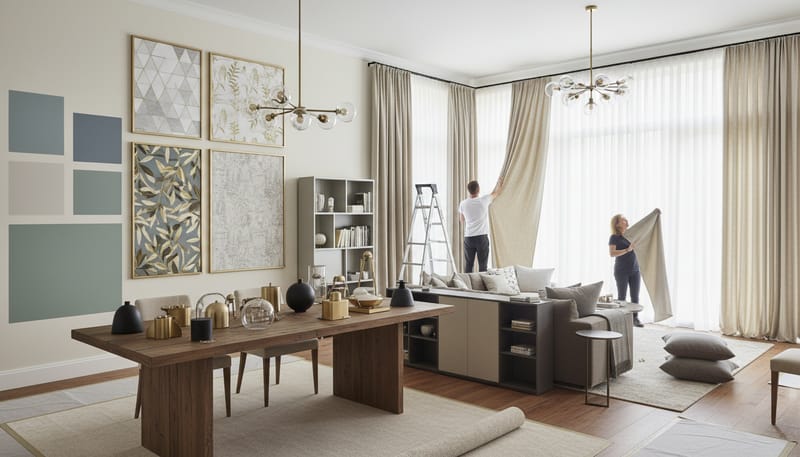
Walking into a brand new home for the first time is an incredible feeling, but it can also be accompanied by a sobering realisation: those show home interiors that seduced you during your viewing were packed with thousands of pounds worth of upgrades, finishes, and carefully chosen accessories that are absolutely not included in the base price. The reality of a standard new build specification is often stark white walls, builder-grade carpet in the bedrooms, basic kitchen units, and a garden that is little more than compacted subsoil with perhaps some turf if you are fortunate. The journey from standard specification to a home that feels truly finished can cost anywhere from £5,000 to £30,000+ depending on the size of the property, your taste, and whether you choose developer upgrades or arrange your own work after completion.
This guide provides a comprehensive breakdown of every common extra and finishing touch you might want for your new build, with realistic UK costs for 2026. Whether you are trying to decide between ordering upgrades through your developer or sourcing them independently, or simply trying to build a realistic post-purchase budget, this article covers everything you need to know. We will also look at which upgrades offer the best value, which ones are worth splurging on, and where you can save significant money by doing things yourself. If you are still in the early stages of understanding all the costs involved, our complete cost breakdown guide provides the full picture from deposit to moving day.
Understanding Developer Upgrade Packages
Most major housebuilders offer an upgrade or choices package that allows you to customise certain elements of your home before it is built. The range and pricing of these options varies enormously between developers, but generally you will be offered upgrades in three categories: kitchen, bathroom, and general finishes. The key question is always whether the developer's prices represent good value compared to arranging the same work independently after completion.
Developer upgrades have a clear advantage in convenience. Everything is fitted during construction, so you move into a home that is already finished to your specification. There is no dust, no disruption, and no need to coordinate tradespeople. However, developer pricing typically carries a 30-50% markup over what you would pay a local kitchen fitter or flooring company. The trade-off is between convenience and cost.
Flooring Costs
Flooring is typically the single largest extra cost for a new build buyer. Most developers include carpet only in the bedrooms as standard, with the ground floor either left as bare screed or finished with a basic tile or vinyl. Here is a detailed breakdown of flooring options and their costs for a typical 3-bedroom new build:
| Flooring Type | Cost per m² | Whole House (85m²) | Via Developer |
|---|---|---|---|
| Budget carpet | £8 - £15 | £680 - £1,275 | £1,200 - £2,000 |
| Mid-range carpet | £18 - £30 | £1,530 - £2,550 | £2,500 - £4,000 |
| Luxury vinyl tile (LVT) | £25 - £50 | £2,125 - £4,250 | £3,500 - £6,500 |
| Engineered wood | £35 - £70 | £2,975 - £5,950 | £4,500 - £8,500 |
| Porcelain tiles | £30 - £80 | £2,550 - £6,800 | £4,000 - £9,000 |
For a typical 3-bedroom new build with approximately 85m² of floor space, a practical approach is to use mid-range carpet upstairs and LVT or engineered wood on the ground floor. This combination typically costs £2,500 to £4,500 when arranged independently, or £4,000 to £7,000 through the developer.
Garden and Landscaping
New build gardens are notorious for being left in a basic, unfinished state. At best, you will receive a turfed lawn and basic fencing. At worst, you might find compacted builder's rubble, no turf, and only post-and-wire boundary treatment. Transforming a new build garden into a usable, attractive outdoor space requires careful budgeting.
Garden Cost Breakdown
| Item | DIY Cost | Professional Cost |
|---|---|---|
| Turfing (50m² average garden) | £150 - £250 | £400 - £700 |
| Close-board fencing (3 sides) | £600 - £1,000 | £1,200 - £2,000 |
| Patio (15m²) | £400 - £800 | £1,200 - £2,500 |
| Garden shed | £200 - £600 | £350 - £900 |
| Planting and borders | £200 - £500 | £500 - £1,500 |
| Outside tap installation | N/A | £100 - £200 |
The total cost for a complete garden makeover on a typical new build ranges from £1,500 to £3,000 DIY or £3,500 to £7,000 professionally installed. Many buyers choose a phased approach, starting with essential fencing and turf, then adding a patio, shed, and planting over the first year or two. This is a sensible strategy, particularly as new build gardens can take time to settle, and it is worth waiting a season before investing heavily in hard landscaping.
Window Coverings: Blinds and Curtains
Every window in your new build home will need covering, and this is a cost that surprises many buyers with its scale. A 3-bedroom new build typically has between 10 and 16 windows, plus potentially glass panels in doors and French doors. Costs vary dramatically depending on what you choose:
Many buyers opt for a mix of roller blinds in bathrooms and the kitchen, with curtains in the living room and bedrooms. Plantation shutters are another popular option that start at around £200 per window, so a full house can cost £2,500 to £5,000 but they add a premium look and can boost resale value. When ordering through the developer, expect to pay approximately 40-60% more than sourcing blinds from specialists like Hillarys, English Blinds, or online retailers like blinds2go.
Kitchen Upgrades
New build kitchens in the standard specification are functional but basic. You will usually receive white or cream shaker-style units, a laminate worktop, a basic oven and hob, and a stainless steel sink. While perfectly usable, many buyers want to upgrade to something more aspirational. Common kitchen upgrades and their costs include:
| Upgrade | Developer Price | Independent Price | Saving |
|---|---|---|---|
| Quartz worktops (replacing laminate) | £2,500 - £4,000 | £1,800 - £3,000 | £700+ |
| Upgraded cabinet doors/handles | £800 - £2,000 | £400 - £1,200 | £400+ |
| Integrated dishwasher | £600 - £900 | £350 - £600 | £250+ |
| Under-cabinet LED lighting | £300 - £500 | £80 - £200 | £220+ |
| Boiling water tap (Quooker-style) | £1,500 - £2,000 | £900 - £1,500 | £500+ |
| Glass splashback | £400 - £800 | £200 - £450 | £200+ |
If you are ordering the kitchen through the developer, some upgrades are easier to include at the build stage, particularly integrated appliances and worktop changes that affect the cabinet configuration. However, cosmetic upgrades like handles, splashbacks, and under-cabinet lighting are almost always cheaper to do yourself after completion.
Bathroom Upgrades
Like kitchens, new build bathrooms come with a standard specification that is functional but basic. Upgrades in this area can significantly improve the daily living experience. Typical bathroom upgrades include:
Bathroom upgrades through the developer typically need to be selected early in the build process, especially anything involving plumbing changes. After completion, simpler swaps like shower heads, towel rails, and vanity units can be done independently at a fraction of the developer cost. Budget around £800 to £2,000 per bathroom for meaningful upgrades, whether you go through the developer or independently.
Lighting Upgrades
The standard lighting in most new builds is basic pendant fittings with a single bulb in each room. While functional, this creates a flat, uninspiring atmosphere that is a far cry from the carefully layered lighting in the show home. Upgrading your lighting can transform the feel of your home:
Downlights are one of the most popular upgrades and are much cheaper to install during construction when the ceilings are still accessible. If ordered through the developer, expect to pay £250-£400 per room. Installing them after completion requires cutting into ceilings and costs around £200-£350 per room including the electrician's time. For a whole house with 5-6 rooms fitted with LED downlights, budget £1,000 to £2,000.
The Total Extras Budget: Putting It All Together
Let us now bring all the extras together into a complete picture. The following shows three budget tiers for a 3-bedroom new build, covering all the finishing touches discussed in this guide:
| Category | Budget | Mid-Range | Premium |
|---|---|---|---|
| Flooring | £1,500 | £3,500 | £7,000 |
| Garden | £1,500 | £3,500 | £7,000 |
| Window coverings | £500 | £1,200 | £3,500 |
| Kitchen upgrades | £1,500 | £3,500 | £6,000 |
| Bathroom upgrades | £800 | £1,500 | £3,000 |
| Lighting | £500 | £1,200 | £2,500 |
| Decorating | £200 | £600 | £2,000 |
| Total | £6,500 | £15,000 | £31,000 |
Developer vs Independent: Where to Spend and Where to Save
One of the most important decisions you will make is which upgrades to order through the developer and which to arrange independently. Here is our recommendation based on value and practicality:
Smart Home Technology
An increasing number of new build buyers are investing in smart home technology as part of their finishing touches. While some developers now include basic smart features as standard, most still offer a minimal setup. Popular smart home additions and their costs include:
A complete smart home setup including thermostat, doorbell, security cameras, smart lighting in key rooms, and voice assistant integration typically costs £500 to £1,500. This is almost always cheaper to arrange yourself than through the developer, and the technology evolves so quickly that buying the latest products at move-in ensures you get the best features available.
Phasing Your Extras: A Practical Timeline
Not everything needs to be done before or immediately after you move in. A phased approach is both financially sensible and practically wise, as it gives you time to live in the space and understand how you actually use each room before committing to expensive upgrades.
Using Developer Incentives for Extras
One of the smartest strategies for funding your extras is to negotiate a developer incentive package that includes upgrades rather than a simple price reduction. Developers are often more willing to offer £5,000 worth of upgrades than a £5,000 price cut, because the upgrades cost them less than the retail value. A typical incentive package might include:
A package like this is worth around £9,000 and could save you thousands compared to arranging everything yourself after completion. The key is to negotiate at the right time, typically towards the end of a financial quarter when developers are keen to close sales. For more negotiation strategies, read our comprehensive guide on how to save money on your new build purchase.
Final Thoughts
Budgeting for new build extras and finishing touches is an essential part of the home-buying process that is often overlooked until it is too late. By understanding the true costs and planning your approach, whether through developer upgrades, independent sourcing, or a strategic combination of both, you can create a beautiful, finished home without blowing your budget. The key takeaway is to plan early, prioritise essentials, phase your spending over the first year, and always compare developer prices against independent alternatives before committing.
For a complete overview of all buying costs, visit our complete cost breakdown guide. If your new build is leasehold, understanding your ongoing costs is equally important, so check out our guide on ground rent and service charges on leasehold new builds.